
Archive: 2025/12
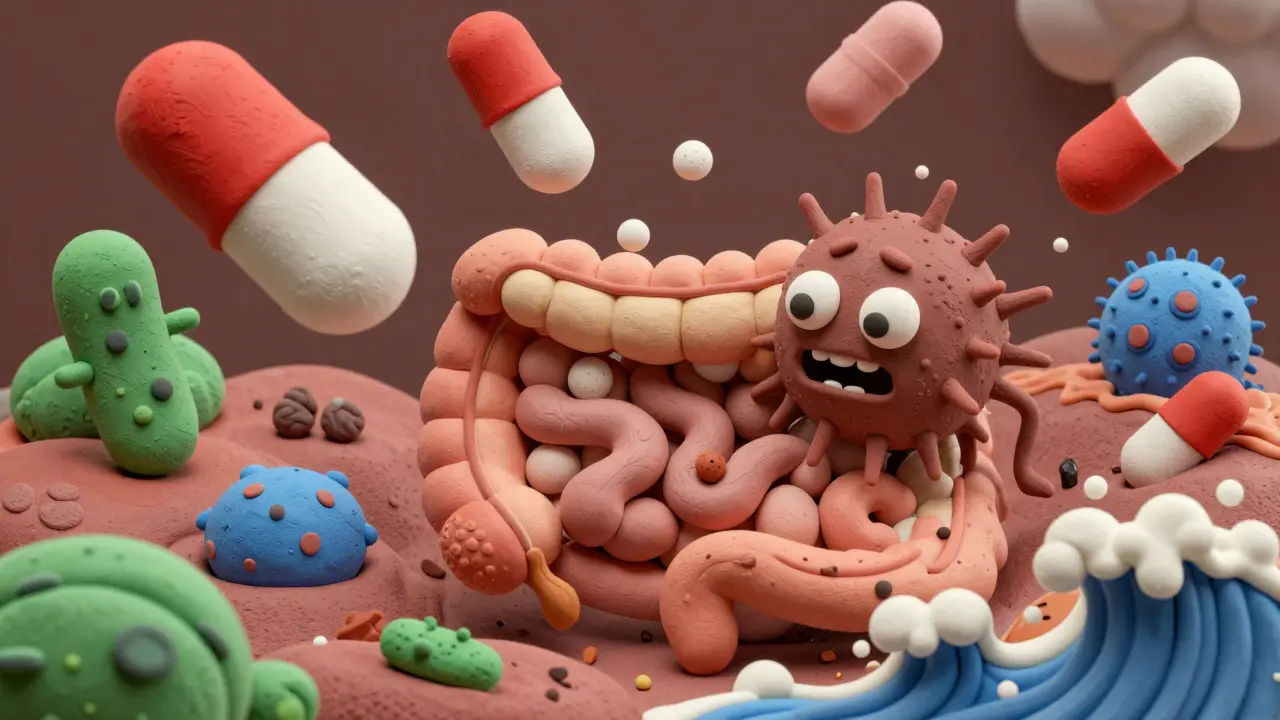
C. difficile Colitis: Antibiotic Risks and Fecal Transplant Explained
C. diff colitis is a dangerous infection often triggered by antibiotics. Learn which antibiotics raise your risk the most and how fecal transplants can cure recurrent cases with up to 94% success.
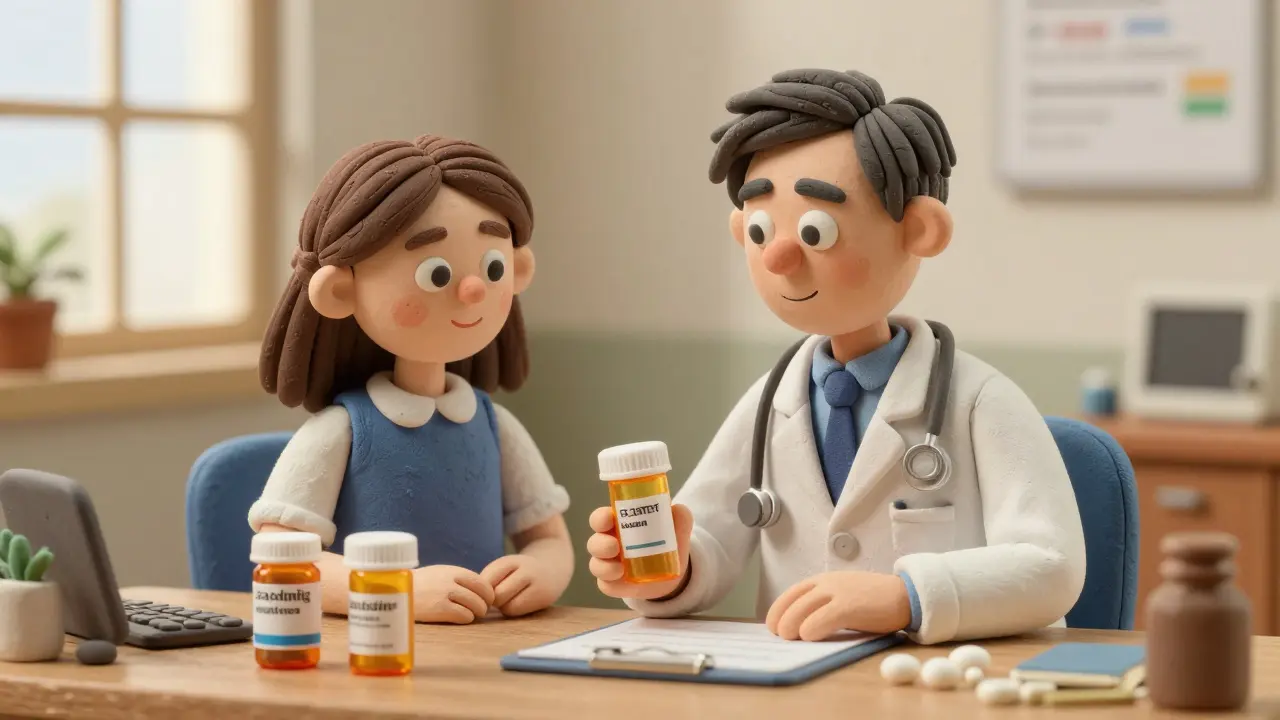
How to Talk to Your Doctor About Generic Medications
Learn how to confidently ask your doctor about generic medications, understand why they're safe and effective, and save hundreds per year without sacrificing your health.
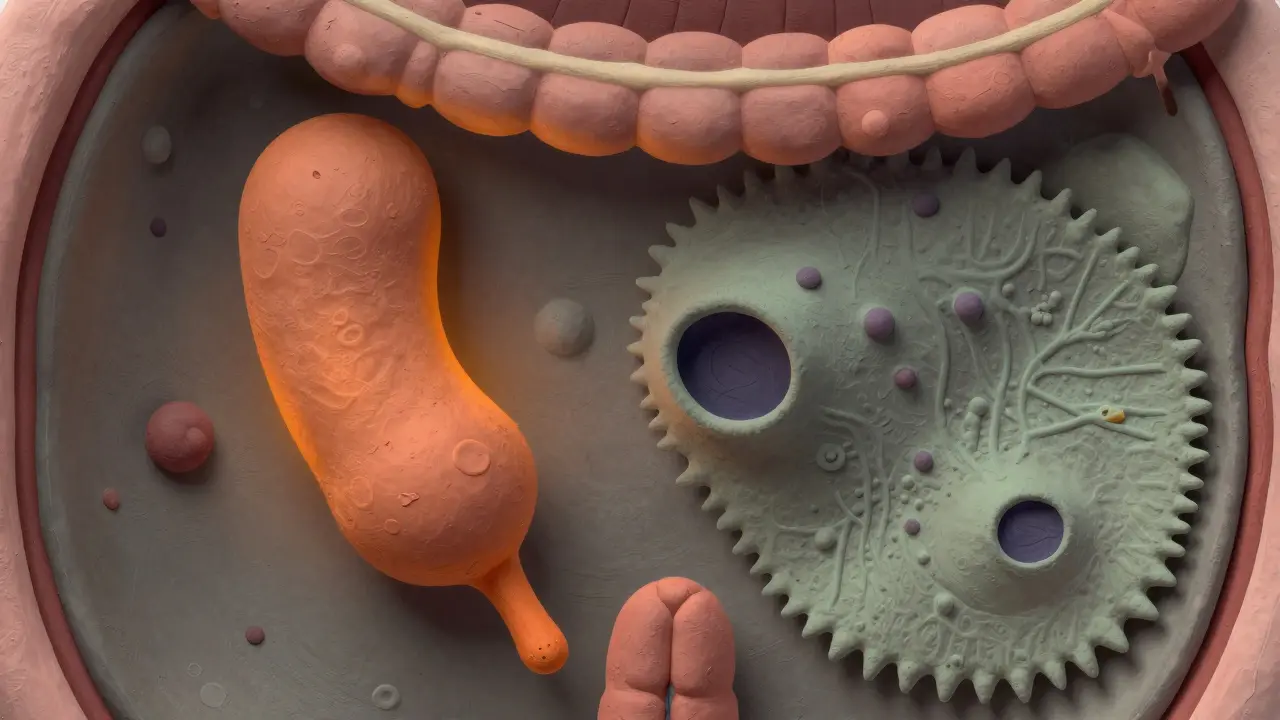
Colorectal Polyp Types: Understanding Adenomas vs. Serrated Lesions
Learn the key differences between adenomas and serrated lesions-two types of precancerous colorectal polyps. Understand their risks, detection challenges, and why screening saves lives.
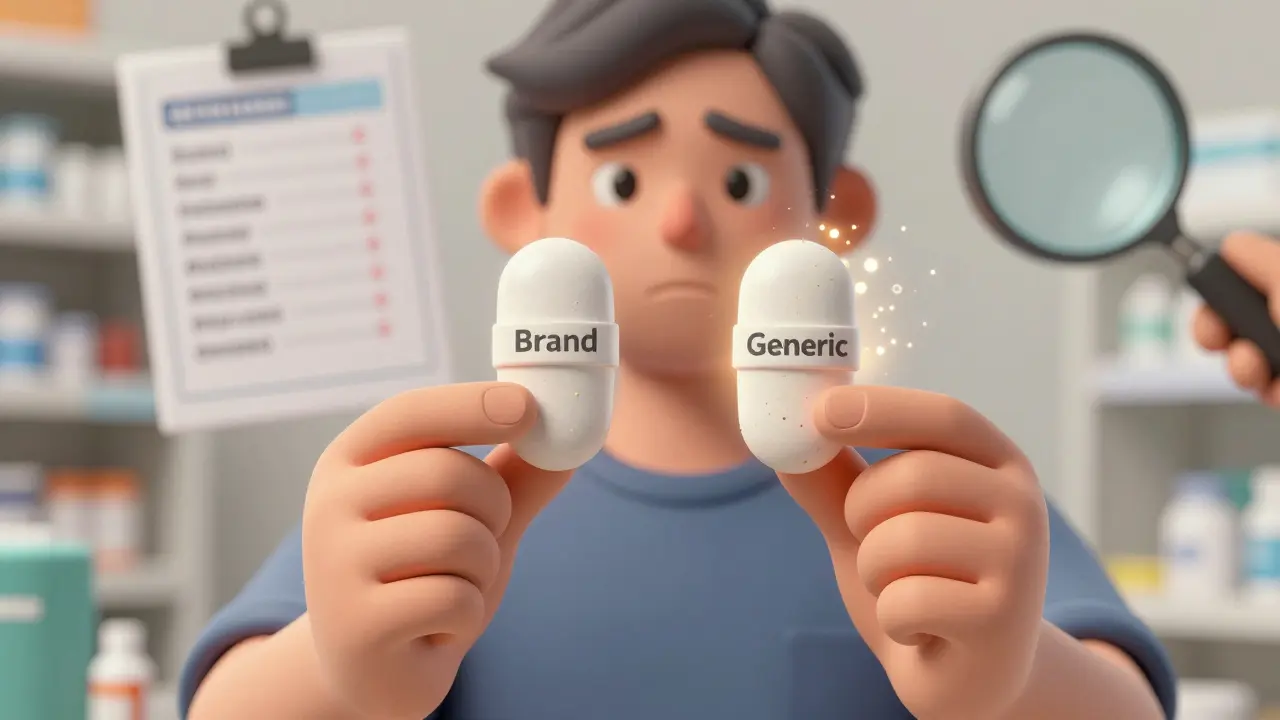
Unexpected Side Effects from Generic Medications: When to Seek Help
Generic medications are usually safe and affordable, but unexpected side effects can happen-especially when switching between brands. Learn which drugs carry the highest risk and when to seek medical help.

Psoriatic Arthritis: How Skin Disease Turns Into Joint Pain
Psoriatic arthritis links skin psoriasis with joint damage. Learn the signs - like sausage fingers and nail pitting - and why early treatment stops permanent harm.
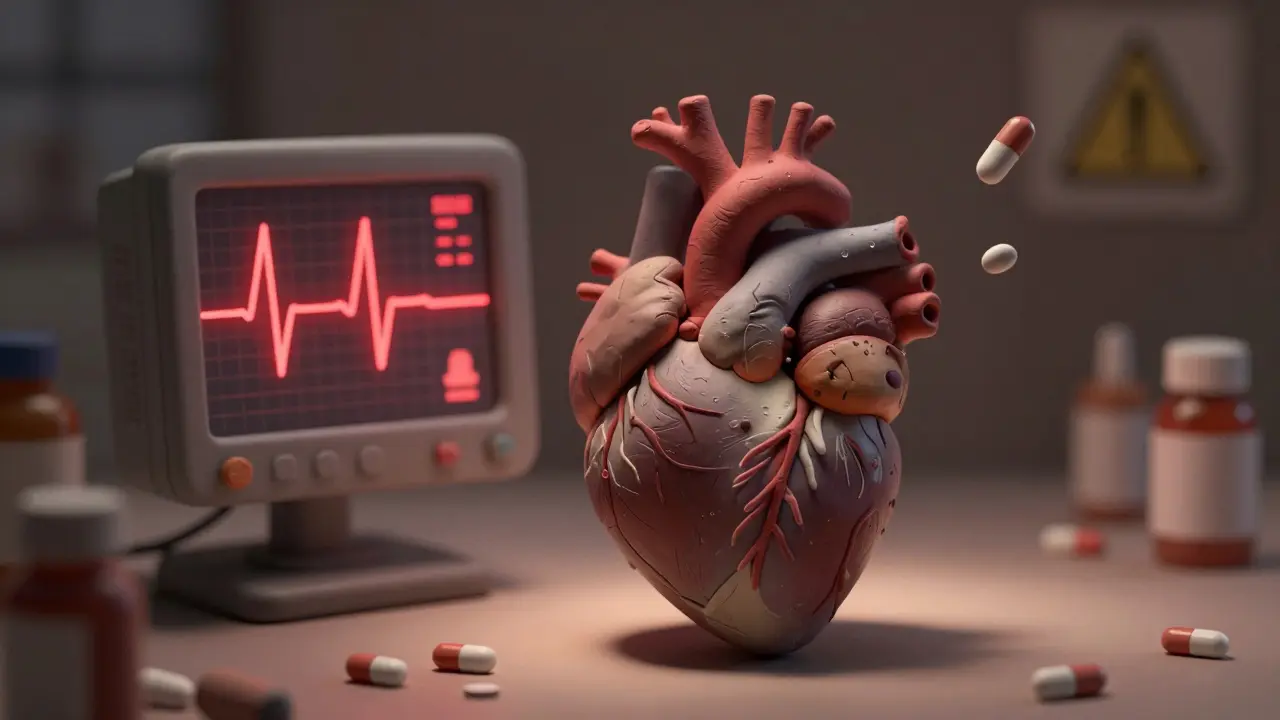
Hydroxyzine and QT Prolongation: What You Need to Know About the Cardiac Risk
Hydroxyzine can cause QT prolongation and life-threatening heart rhythms, especially in older adults or those on other medications. Learn who’s at risk, what to watch for, and safer alternatives.

CBT for Chronic Pain: How Cognitive-Behavioral Therapy Helps You Manage Persistent Pain
CBT for chronic pain helps you manage persistent discomfort by changing how you think and respond to pain-not by eliminating it. Evidence shows it improves function, reduces opioid use, and boosts quality of life-even when meds fall short.
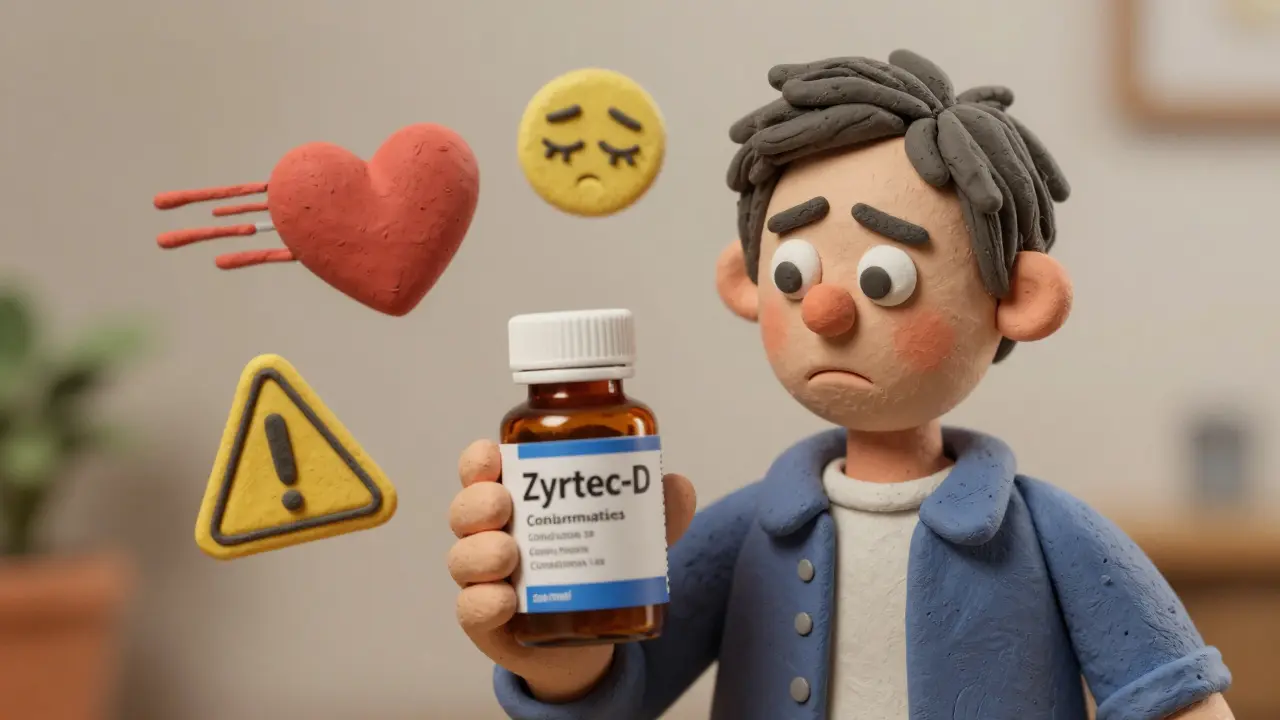
Decongestants with Antihistamines: What You Need to Know About Safety Risks
Combination decongestant-antihistamine meds like Zyrtec-D and Claritin-D offer quick relief but carry real risks-drowsiness, high blood pressure, and overdose. Learn who should avoid them and safer alternatives.
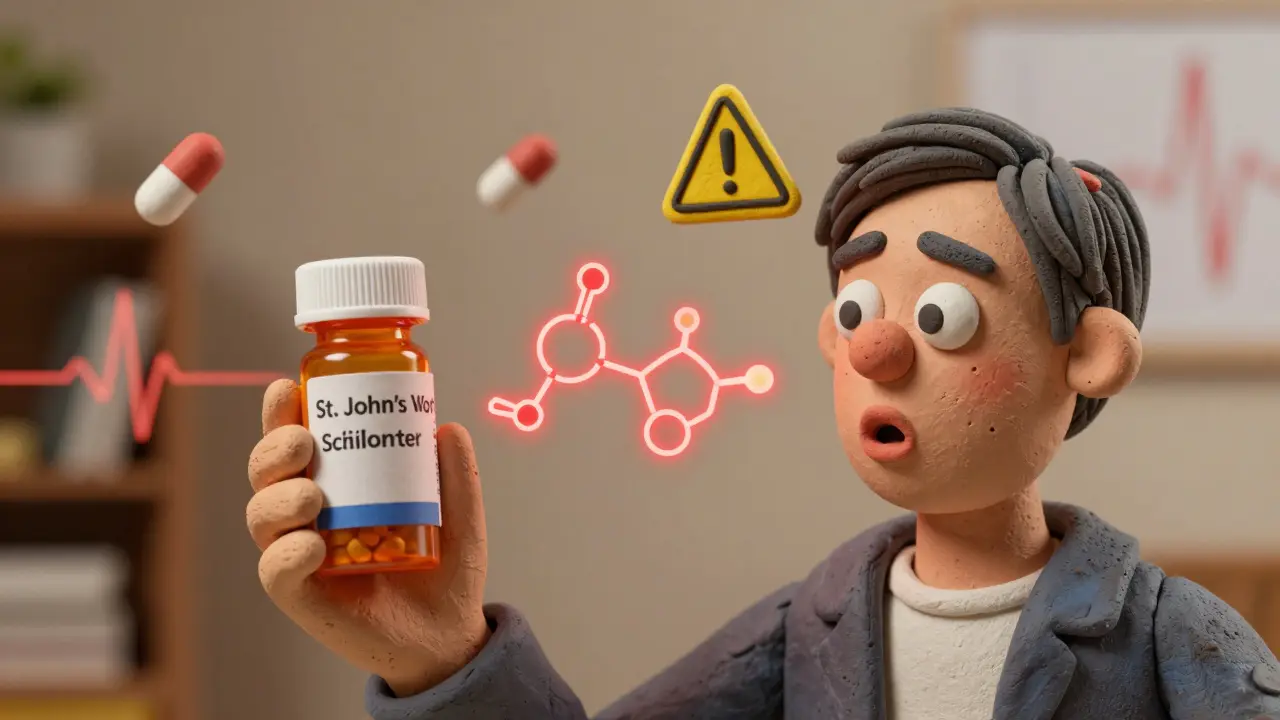
Herbal Supplements That Interact with Common Prescription Drugs
Many herbal supplements can dangerously interfere with common prescription drugs like blood thinners, antidepressants, and HIV medications. Learn which ones pose the highest risks and what steps to take to stay safe.
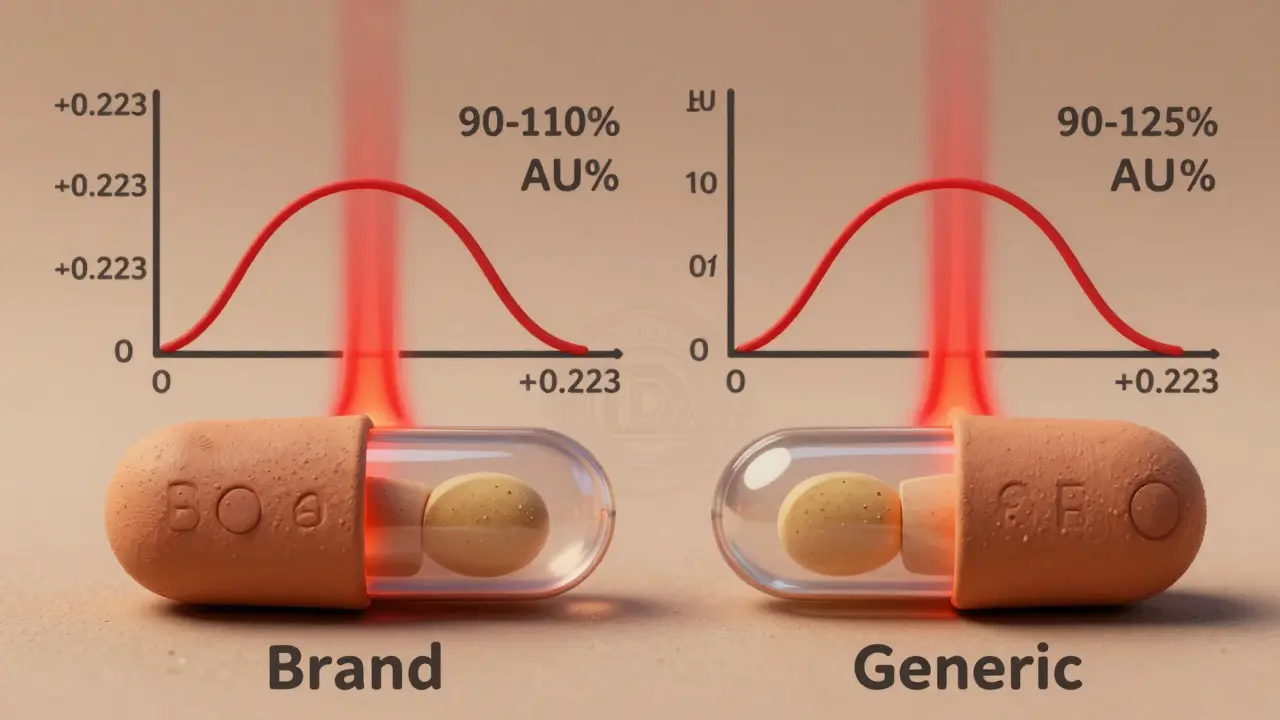
Generic Drug Absorption Rates: What the 80-125% Rule Really Means
The 80-125% rule for generic drugs isn't about ingredient amount - it's a strict statistical measure of how your body absorbs the medicine. Learn what it really means and why generics work just as well as brand names.