
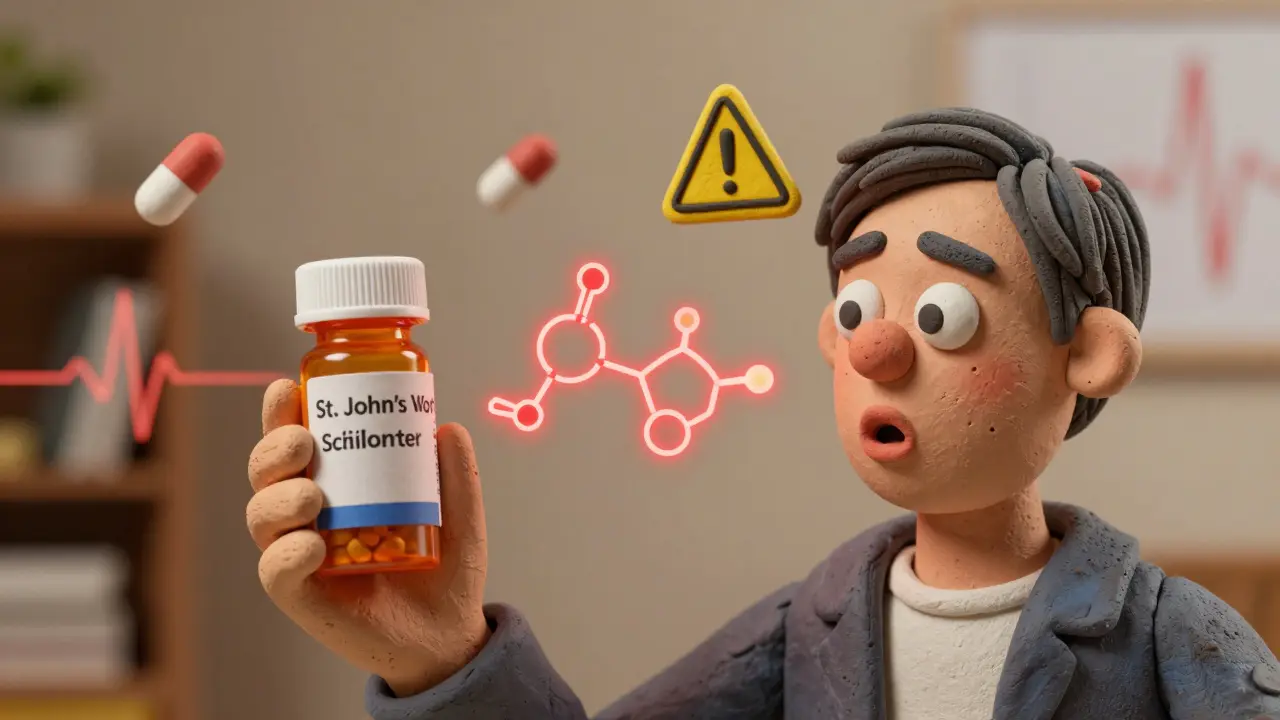
Every year, thousands of people end up in emergency rooms because they took a herbal supplement with their prescription medicine-and didn’t realize it could be dangerous. It’s not just about taking too much. Sometimes, even a small daily dose of something labeled "natural" can mess with how your meds work. And most people have no idea.
Why This Isn’t Just a "Natural vs. Chemical" Issue
People often think herbal supplements are harmless because they come from plants. But plants are complex. They contain dozens, sometimes hundreds, of active compounds. Some of those compounds can directly interfere with how your liver processes drugs, or change how your body absorbs them. It’s not magic. It’s biochemistry.Take St. John’s Wort. It’s sold as a natural mood booster. But it’s also one of the most powerful drug-interfering herbs out there. It tricks your liver into breaking down medications faster-so fast that your prescription stops working. People on birth control have gotten pregnant. Organ transplant patients have rejected their new organs. People on antidepressants have ended up in the hospital with serotonin syndrome-fever, muscle spasms, confusion-all because they added a little pill they thought was safe.
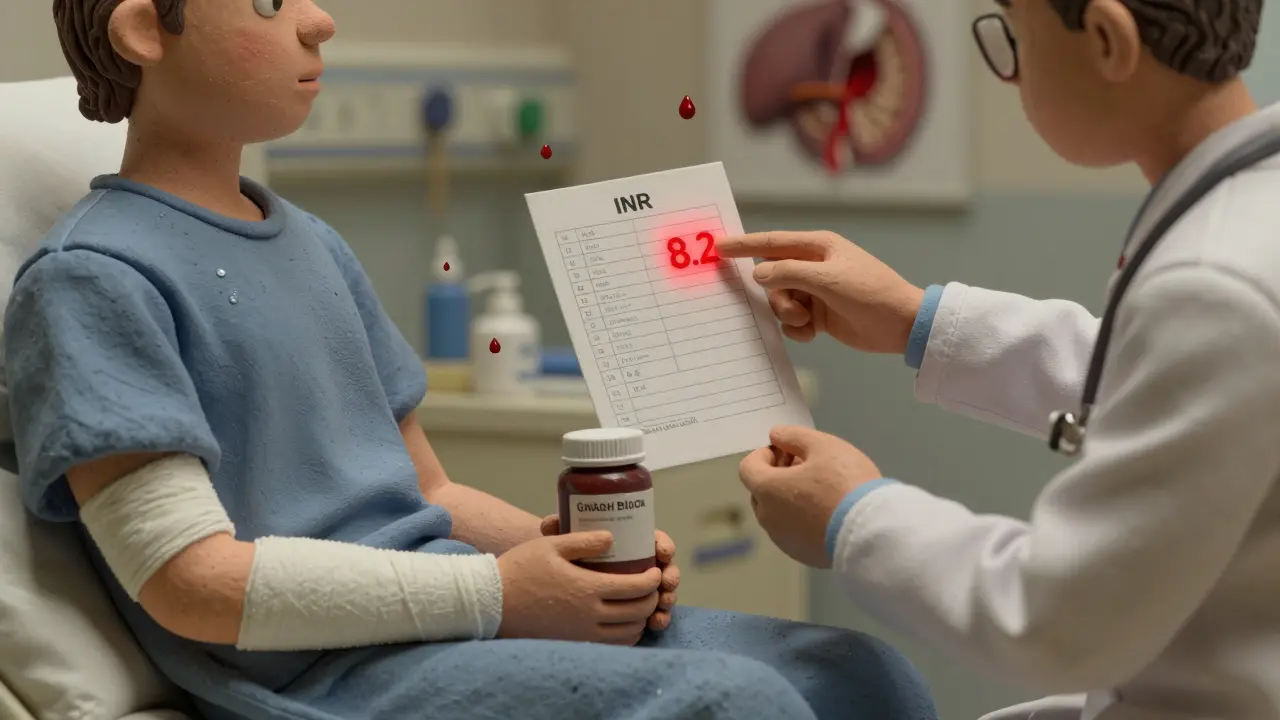
And it’s not just St. John’s Wort. Ginkgo biloba, often taken for memory or circulation, can thin your blood. If you’re on warfarin, apixaban, or aspirin, combining it with ginkgo can turn a minor cut into a life-threatening bleed. There are documented cases of people needing blood transfusions after taking both. One Reddit user shared his story: INR spiked to 8.2 after adding ginkgo to his apixaban. He bled internally. His doctors said this happens more often than anyone admits.
The Top 5 Dangerous Combinations You Need to Know
- St. John’s Wort + Antidepressants (SSRIs, SNRIs): This combo can trigger serotonin syndrome. Symptoms include high fever, rapid heartbeat, rigid muscles, and seizures. It’s rare-but deadly. The American Academy of Family Physicians says avoid this combination entirely.
- Ginkgo biloba + Blood Thinners (warfarin, apixaban, clopidogrel): Ginkgo increases bleeding risk by up to 300% compared to blood thinners alone. INR levels can climb dangerously high within days. Even if you’ve been stable on warfarin for years, ginkgo can undo that.
- Garlic supplements + HIV meds (saquinavir): Garlic can slash the concentration of this drug in your blood by over half. That means the virus isn’t suppressed. In a 2019 study with 18 healthy volunteers, saquinavir levels dropped 51% after just a week of garlic pills.
- Goldenseal + Any drug processed by CYP3A4 (statins, blood pressure meds, sedatives): Goldenseal blocks the enzyme your liver uses to break down over 50% of common prescription drugs. That means drugs build up in your system. A 2018 study showed it cut midazolam clearance by 40%. That’s like taking double your dose without realizing it.
- Coenzyme Q10 + Warfarin: You might think CoQ10 is just a heart health aid. But it can reduce warfarin’s effect by 25-30%. That means your blood gets thicker, raising your risk of stroke. Weekly INR checks are needed if you’re taking both.
What About the "Safe" Ones? Cranberry, Milk Thistle, Ginseng
You’ve probably heard cranberry juice is good for your bladder. But when it comes to warfarin, the story gets messy. Some studies show it raises INR. Others show no effect. The JAMA Internal Medicine meta-analysis of 12 studies found INR changes ranging from 0.3 to 1.8 units-enough to tip someone from safe to dangerous. There’s no universal answer. So if you’re on warfarin, don’t assume cranberry is harmless.Milk thistle and saw palmetto are often labeled low-risk. That’s mostly true. But "low-risk" doesn’t mean "no risk." If you’re on liver-metabolized drugs like statins or antifungals, even mild enzyme interference can matter. And American ginseng? It might lower blood sugar. If you’re on metformin or insulin, that could push you into hypoglycemia.
Asian ginseng is a different story. It can raise blood pressure and interfere with blood thinners. It’s also been linked to serotonin syndrome when taken with antidepressants. So don’t treat all ginseng the same. The name doesn’t tell you the risk.
Why Doctors Don’t Always Know About This
Here’s the uncomfortable truth: most doctors don’t ask about supplements. Patients don’t tell them. A 2022 Mayo Clinic study found that 75% of people taking herbal products never mentioned it to their doctor-even though 25% were also on prescription meds.Why? Because people think supplements are safe. They think "natural" means "no side effects." A University of Michigan survey found 76% of supplement users believed that. Another 63% didn’t even know supplements could interact with drugs.
And it’s not just patients. Only 15% of documented herb-drug interactions have strong, randomized trial evidence. Most are based on case reports, lab studies, or small trials. So when a patient says, "I’m taking ginkgo," the doctor might shrug because the evidence isn’t solid. But that doesn’t mean the risk isn’t real.
What You Should Do Right Now
- Make a list. Write down every supplement, herb, vitamin, or tea you take daily. Don’t forget the ones you only take "when needed"-like garlic pills for colds or chamomile tea for sleep.
- Bring it to every appointment. Don’t wait for your doctor to ask. Say: "I take these. Are they safe with my prescriptions?"
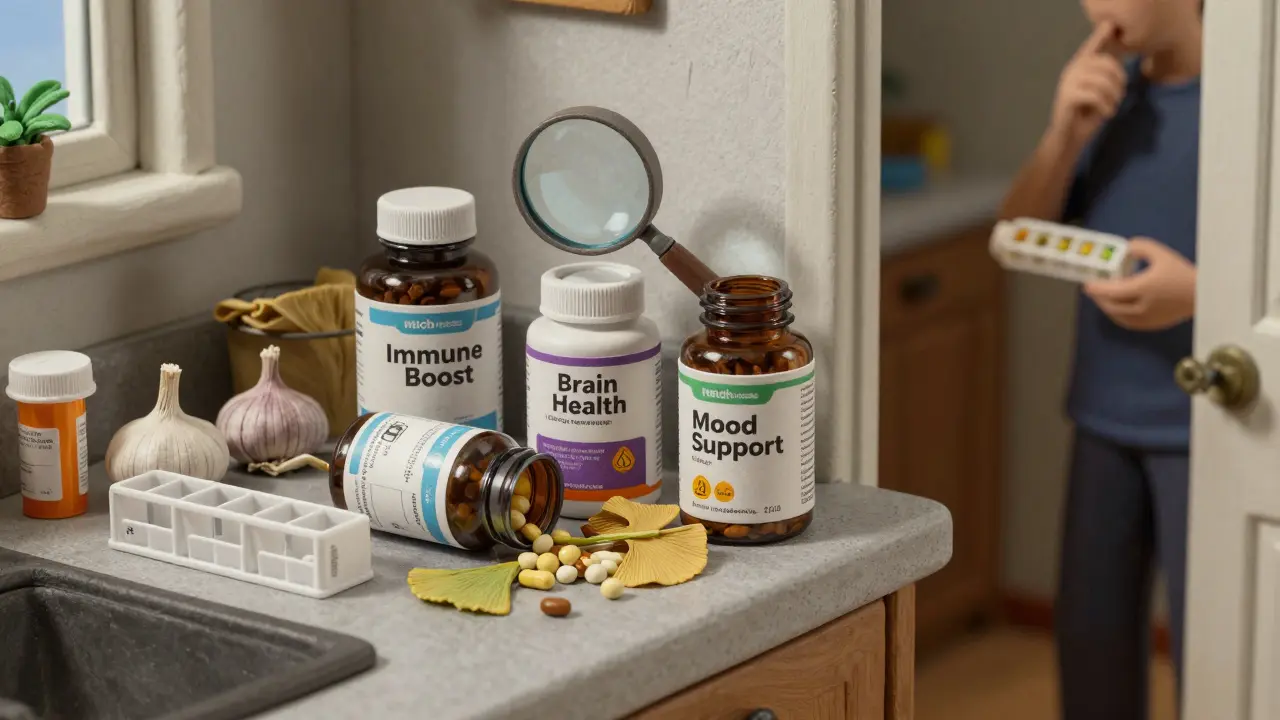
- Check your labels. Ginkgo is in 73% of "brain health" supplements. St. John’s Wort is in 89% of "mood support" products. Garlic is in 61% of "immune boosters." You might be taking them without realizing it.
- Know the warning signs: Unexplained bruising or bleeding, sudden dizziness, confusion, muscle stiffness, fever above 103°F, or heart palpitations. If you’re on a prescription and start feeling off after starting a new supplement, stop it and call your doctor.
What’s Changing in 2025
The good news? Things are starting to shift. The National Center for Complementary and Integrative Health (NCCIH) updated its herb-drug database in January 2024, adding 12 new interactions-including green tea reducing the effectiveness of cancer drug bortezomib.Electronic health record systems like Epic are planning to integrate NCCIH data into medication reconciliation tools by Q3 2025. That means when your doctor prescribes a new drug, the system might flag: "Patient is taking St. John’s Wort. Risk of reduced antidepressant levels."
But until then, you’re the only one who can protect yourself. No app, no label, no doctor will do it for you.
Bottom Line: Natural Doesn’t Mean Safe
Herbal supplements aren’t the enemy. But they’re not harmless either. They’re powerful. And they don’t play by the same rules as pharmaceuticals. Your body doesn’t care if something comes from a plant or a lab-it only cares about what happens inside you.If you’re on a prescription, especially for blood thinning, mental health, heart conditions, or immune suppression, assume any herbal supplement could interfere. Don’t guess. Don’t assume. Don’t wait for a problem to happen. Ask your pharmacist. Bring your bottles. Be specific. Your life might depend on it.
Can I take St. John’s Wort with my antidepressant?
No. St. John’s Wort can cause serotonin syndrome when taken with SSRIs or SNRIs. Symptoms include high fever, muscle rigidity, rapid heartbeat, and confusion. This is a medical emergency. The American Academy of Family Physicians advises avoiding this combination entirely. Even if you’ve been stable on your medication for years, adding St. John’s Wort can trigger a dangerous reaction within days.
Is ginkgo biloba safe if I’m on blood thinners?
No. Ginkgo biloba increases bleeding risk by up to 300% when combined with warfarin, apixaban, or aspirin. It doesn’t matter if you’ve been on your blood thinner for years. Ginkgo can cause your INR to spike dangerously high within days. There are documented cases of internal bleeding, including fatalities. If you’re on any anticoagulant, avoid ginkgo completely.
What about garlic supplements? I thought they were good for my heart.
Garlic supplements can interfere with several medications. They reduce the effectiveness of saquinavir (an HIV drug) by over 50%. They can also increase bleeding risk with blood thinners. While eating garlic in food is generally safe, concentrated supplements are a different story. If you’re on any prescription, especially for HIV, heart disease, or blood clotting, talk to your doctor before taking garlic pills.
Are herbal supplements regulated like prescription drugs?
No. Under the Dietary Supplement Health and Education Act (DSHEA) of 1994, herbal supplements don’t need FDA approval before being sold. The FDA can only act after harm occurs. This means many products contain undeclared ingredients, incorrect dosages, or contaminants. A 2022 FDA warning letter cited 17 companies for adding actual prescription drugs into their "natural" supplements. You can’t assume safety just because it’s on a store shelf.
How do I know if my supplement is interacting with my medication?
Watch for sudden changes: unexplained bruising, dizziness, confusion, rapid heartbeat, or unusual fatigue. If you start a new supplement and feel worse, stop it immediately and contact your doctor. For high-risk combinations like warfarin and ginkgo, your doctor may need to check your INR within 72 hours. Don’t wait for symptoms-be proactive. Bring your supplement list to every appointment.
Should I stop taking herbal supplements before surgery?
Yes. Most surgeons recommend stopping all herbal supplements at least two weeks before surgery. Ginkgo, garlic, ginger, and ginseng can all increase bleeding risk. Even supplements you think are harmless-like chamomile or green tea-can interfere with anesthesia. Always tell your surgical team about every supplement you take, even if you think it’s "just tea."
Stacey Smith
December 21, 2025 AT 23:35Stop pretending natural means safe. Plants evolved to poison animals. That’s not magic, that’s evolution.
Cara C
December 22, 2025 AT 04:20I get why people take supplements-they want control over their health. But this post? It’s the wake-up call we all needed. I told my mom to stop her ginkgo after she almost bled out. She didn’t believe me until the ER visit. Now she brings her bottle to every appointment.
Meina Taiwo
December 23, 2025 AT 10:17St. John’s Wort + SSRIs is a known killer. I’ve seen it in Lagos clinics. Patients think herbal = harmless. They don’t know their liver is being tricked into ignoring their meds.
Michael Ochieng
December 24, 2025 AT 04:31As someone who grew up in Kenya where traditional medicine is normal, I get why people trust plants. But this isn’t about culture-it’s about chemistry. The same herb that helps grandma’s headache can kill your transplant. We need better labeling. Not bans. Education.
Jon Paramore
December 24, 2025 AT 04:40Goldenseal inhibits CYP3A4? Yeah, that’s a big one. Statins, benzodiazepines, even some cancer drugs-all metabolized by that enzyme. A single 500mg capsule can cause drug accumulation equivalent to doubling your dose. No one checks for this. Pharmacies don’t warn you. That’s a systemic failure.
Cameron Hoover
December 24, 2025 AT 20:52I used to take CoQ10 for my heart. Then I found out it was making my warfarin useless. I almost had a stroke. Now I check every supplement with my pharmacist before I even open the bottle. It’s not about fear-it’s about being smart. Your body doesn’t care if it’s from a tree or a lab. It just cares if it kills you.
Erika Putri Aldana
December 25, 2025 AT 22:06lol so now plants are the new big pharma? 🤡 next they’ll say sunlight causes cancer because it interferes with vitamin D meds
Grace Rehman
December 26, 2025 AT 08:37They call it natural because it’s easier to sell than saying ‘this plant contains compounds that alter your liver enzymes like a chemical factory’
But nobody wants to hear that. We’d rather believe in magic than biochemistry
Adrian Thompson
December 27, 2025 AT 10:06They’re hiding this. The FDA knows. The pharmaceutical companies know. That’s why they fought against labeling requirements. This isn’t an accident-it’s profit. They want you dependent on pills while selling you ‘natural’ stuff that makes your meds useless. Wake up. This is control.
Southern NH Pagan Pride
December 28, 2025 AT 14:02the government doesn't want you to know that herbs can outsmart synthetics. the cia has files on this. ginkgo was studied in the 70s for its anticoagulant properties. they buried it. why? because it's cheaper than warfarin. and they don't want you saving money on meds
Orlando Marquez Jr
December 28, 2025 AT 18:07It is imperative to underscore that the absence of regulation under DSHEA does not equate to absence of pharmacological activity. One must exercise rigorous diligence when integrating botanical agents into a pharmacotherapeutic regimen, particularly in the context of polypharmacy.
Jerry Peterson
December 29, 2025 AT 04:09My dad took garlic pills with his blood pressure med and ended up in the hospital. He thought it was ‘just garlic.’ Now he carries a little card in his wallet that says ‘NO SUPPLEMENTS WITHOUT DOCTOR CHECK.’ Best thing he ever did.
Jackie Be
December 29, 2025 AT 17:06YALL NEED TO STOP AND LISTEN TO THIS
my aunt took ginkgo for memory and almost died from a brain bleed
she didn’t even know it was in her ‘brain boost’ pill
she thought it was just vitamins
STOP ASSUMING
ASK YOUR PHARMACIST
BRING YOUR BOTTLES
YOUR LIFE ISN’T A RISK
John Hay
December 30, 2025 AT 04:18I used to think St. John’s Wort was fine. Then I read the studies. It’s not just ‘maybe dangerous.’ It’s proven to drop antidepressant levels by 50%. That’s not a side effect. That’s sabotage. If your doctor doesn’t ask about supplements, ask them. Demand it.
Dan Adkins
December 30, 2025 AT 06:35While the aforementioned pharmacokinetic interactions are indeed documented in peer-reviewed literature, one must also consider the epistemological limitations of case-based evidence. The absence of randomized controlled trials does not invalidate clinical observation, yet it does necessitate caution in generalization. Furthermore, the cultural hegemony of Western biomedicine often dismisses ethnobotanical knowledge systems without adequate phenomenological inquiry. Thus, while the risks are real, the discourse must be decolonized to include non-Western pharmacopeias.
Cameron Hoover
December 31, 2025 AT 03:00That’s exactly why I stopped trusting labels. I now screenshot every supplement bottle and send it to my pharmacist. They check for interactions. I don’t care if it’s ‘natural’-if it’s in my body, it’s a variable in my treatment plan. No more guessing.