
Adverse Drug Reactions: What They Are, How to Spot Them, and What to Do
When you take a medicine, it’s meant to help—but sometimes it harms instead. This is called an adverse drug reaction, an unintended and harmful response to a medication at normal doses. Also known as drug side effects, these reactions range from a rash or nausea to heart rhythm problems, liver damage, or even death. They’re not rare: over 2 million hospitalizations each year in the U.S. are caused by them. Many people don’t realize their symptoms aren’t just bad luck—they’re linked to something they took.
Not all adverse drug reactions are the same. Some are predictable, like stomach upset from NSAIDs. Others are unpredictable, like a sudden allergic reaction to penicillin. Then there are interactions—when two drugs, or a drug and a supplement, clash in your body. St. John’s wort can make birth control fail. Antacids can wreck kidney function. Even common painkillers like acetaminophen can cause liver failure if taken too long or too often. These aren’t theoretical risks. They show up in real patients, every day.
What makes this worse is that many reactions go unreported. Patients think their headache or dizziness is normal. Doctors assume the patient didn’t take the pill right. Pharmacies don’t always ask about supplements. But if you’ve ever felt off after starting a new drug—fatigue, confusion, swelling, irregular heartbeat, dark urine, or skin changes—that’s not something to ignore. It’s a signal. The good news? Most reactions are preventable. Knowing what to watch for, keeping a clear medication list, and asking the right questions can stop a bad reaction before it starts.
Below, you’ll find real-world guides on how to catch these reactions early, how to document your allergies correctly, how to avoid dangerous combos with supplements, and what to do when a heart rhythm or skin flare turns out to be drug-related. These aren’t theory pages. They’re tools built from patient stories, pharmacy errors, and clinical data. If you’re on more than one medication, care for someone who is, or just want to stay safe while taking pills—this collection is for you.

How to Report Side Effects and Adverse Drug Reactions Using FDA MedWatch
Learn how to report side effects and adverse drug reactions to the FDA using MedWatch. Step-by-step guide for patients and healthcare providers on what to report, how to file, and why it matters.
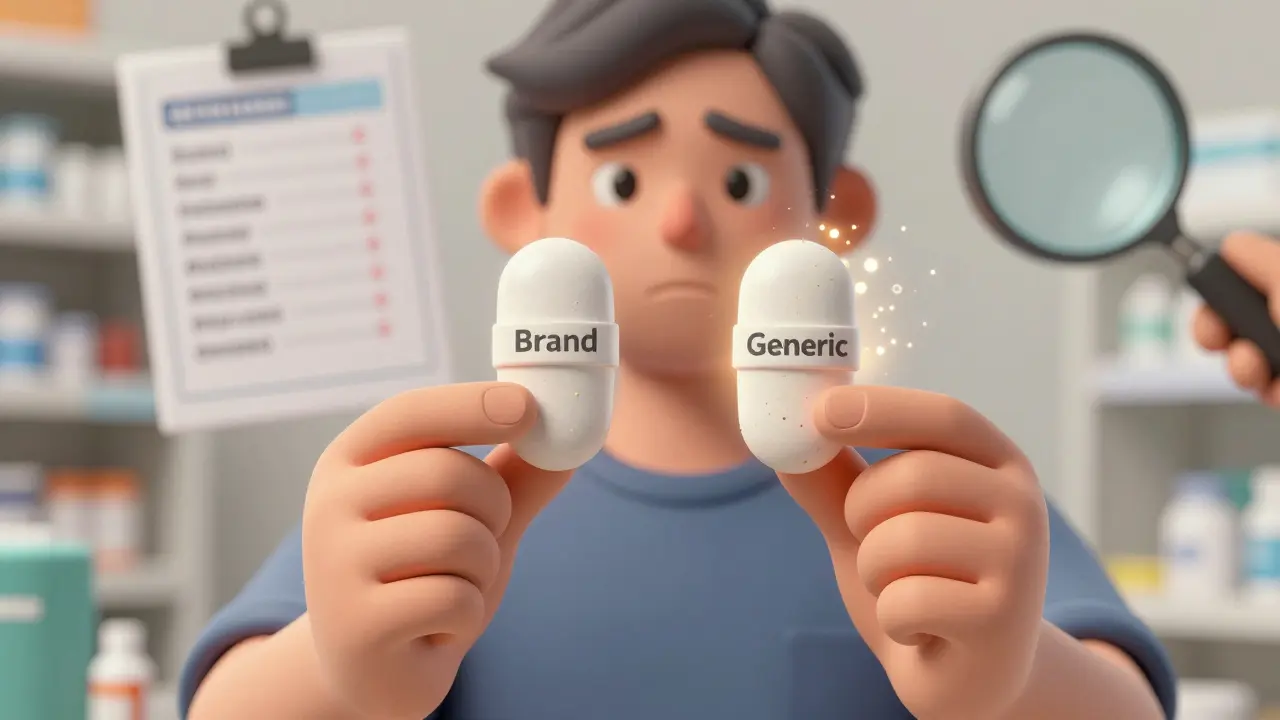
Unexpected Side Effects from Generic Medications: When to Seek Help
Generic medications are usually safe and affordable, but unexpected side effects can happen-especially when switching between brands. Learn which drugs carry the highest risk and when to seek medical help.
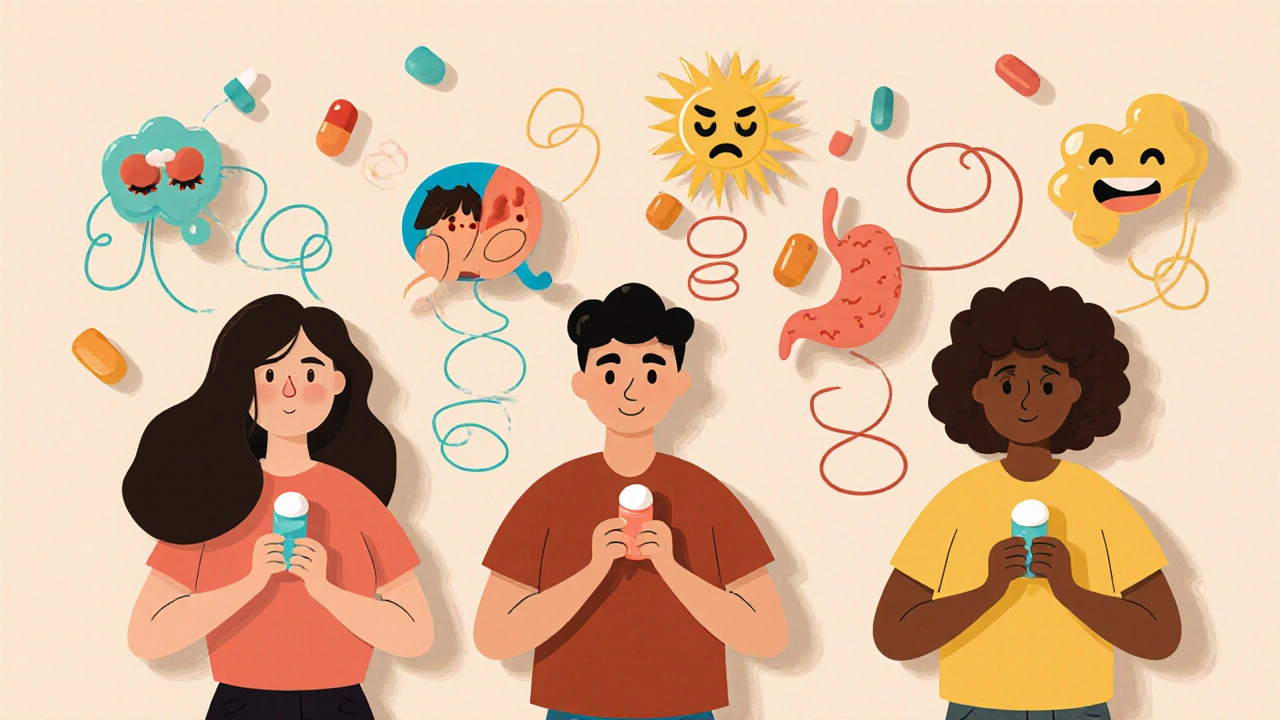
What Are Drug Side Effects: Definition, Causes, and Real-World Examples
Drug side effects are unintended reactions to medications, ranging from mild to life-threatening. Learn what causes them, how common they are, and real examples-from statin muscle pain to chemotherapy nausea. Know when to worry and what to do.