
Drug Side Effect Risk Calculator
This calculator estimates your risk of experiencing medication side effects based on factors from the article. The FDA reports that 3-5x more older adults experience serious side effects, and taking 5+ medications increases side effect risk by 88%. Your results will help you understand your personal risk level.
What your risk means:
1-10: Low risk. Most side effects are mild or manageable.
11-25: Moderate risk. You should monitor for side effects and discuss with your doctor.
26+: High risk. Your medication regimen may need review.
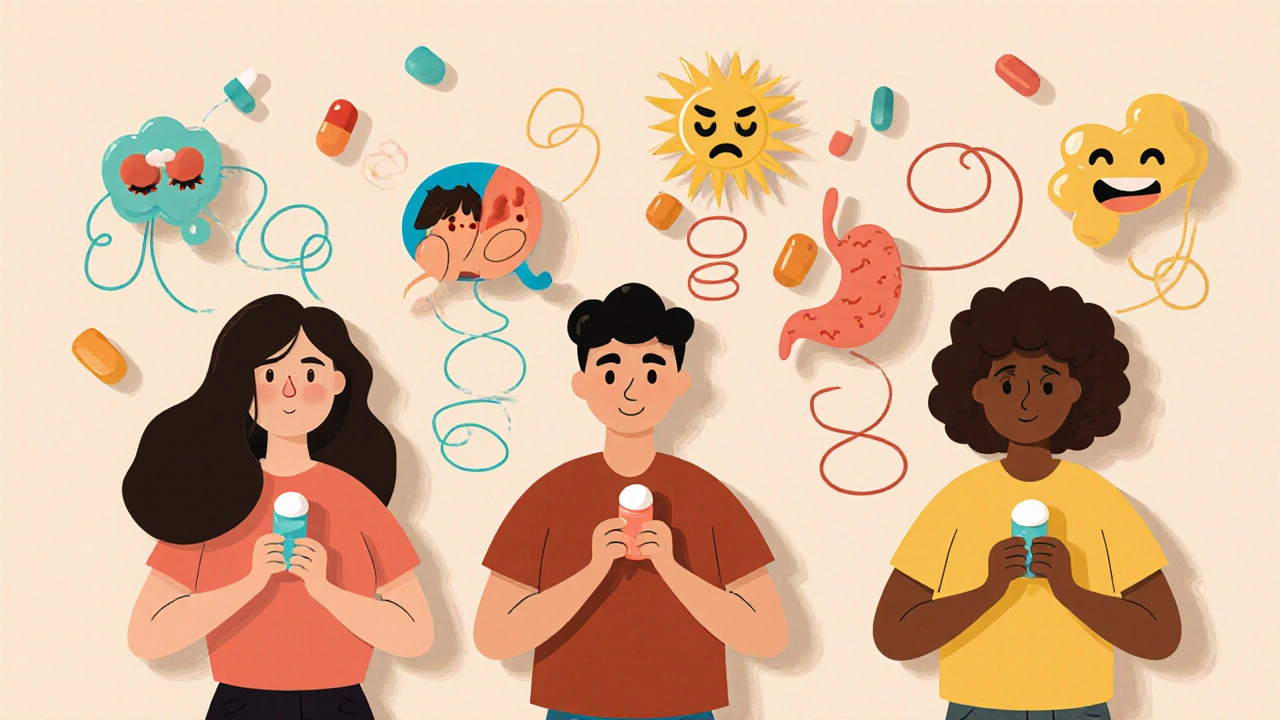
When you take a pill for high blood pressure, an antibiotic for a sore throat, or even a daily vitamin, you’re trusting it to help. But what if that same pill also gives you a headache, makes you nauseous, or causes your skin to burn in the sun? These are drug side effects-unintended, sometimes surprising reactions that happen alongside the medicine’s main purpose.
What Exactly Is a Drug Side Effect?
A drug side effect is any unintended reaction that happens when you take a medication. It’s not always bad. The U.S. Food and Drug Administration (FDA) defines it as an effect that’s possibly linked to the drug, whether it’s harmless, annoying, or dangerous. The key? It’s not the reason you took the medicine.
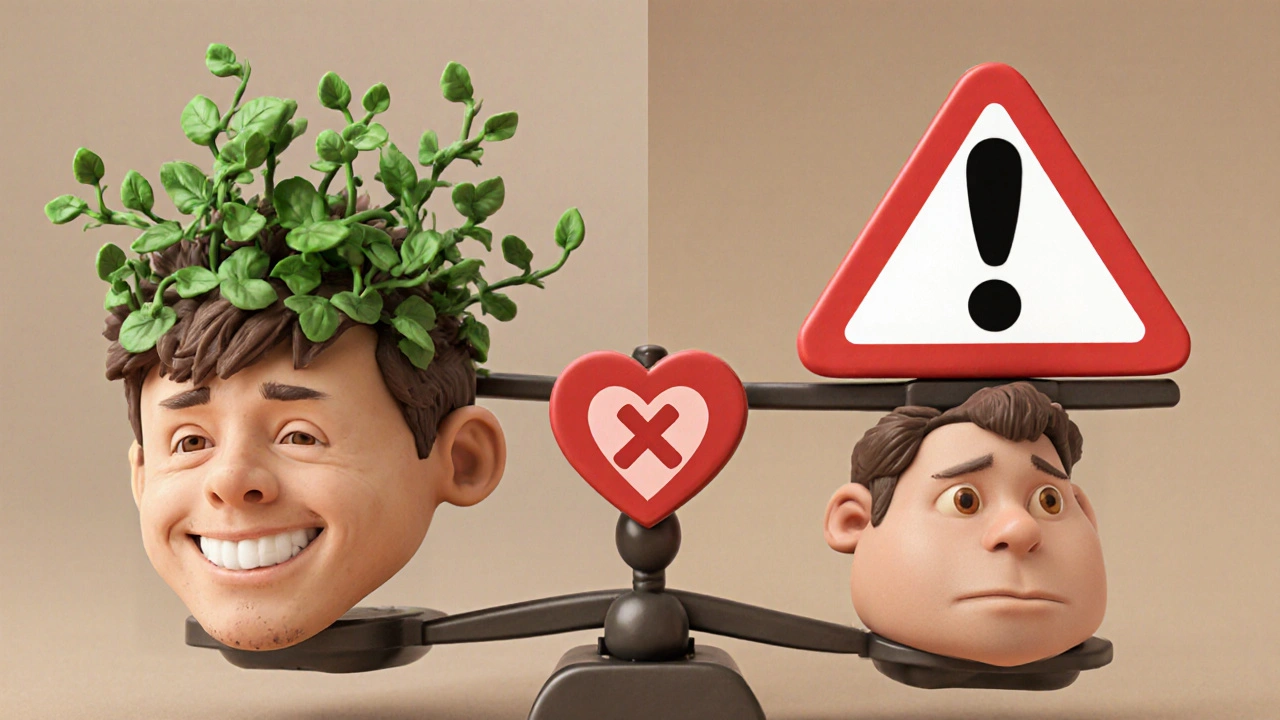
For example, if you take finasteride for an enlarged prostate, you might notice thicker scalp hair-that’s a side effect, and many people welcome it. But if you take the same drug and develop depression or sexual dysfunction, that’s also a side effect, and it’s not welcome. The same drug, two different outcomes. That’s why experts now say side effects aren’t just ‘bad’-they’re secondary effects, which can be helpful, harmful, or just neutral.
It’s easy to confuse side effects with allergic reactions. An allergy means your immune system overreacts-think rash, swelling, trouble breathing. Side effects? They’re usually just how the drug interacts with your body’s chemistry. You don’t need to be allergic to get a side effect.
Why Do Side Effects Happen?
Drugs don’t target just one spot in your body. They travel through your bloodstream, and wherever they go, they can trigger changes. A medicine meant to calm your heart might also slow down your digestion. One that reduces inflammation in your joints might irritate your stomach lining.
Three main things trigger side effects:
- Starting a new medication
- Stopping a drug you’ve been taking
- Changing the dose-too high or too low
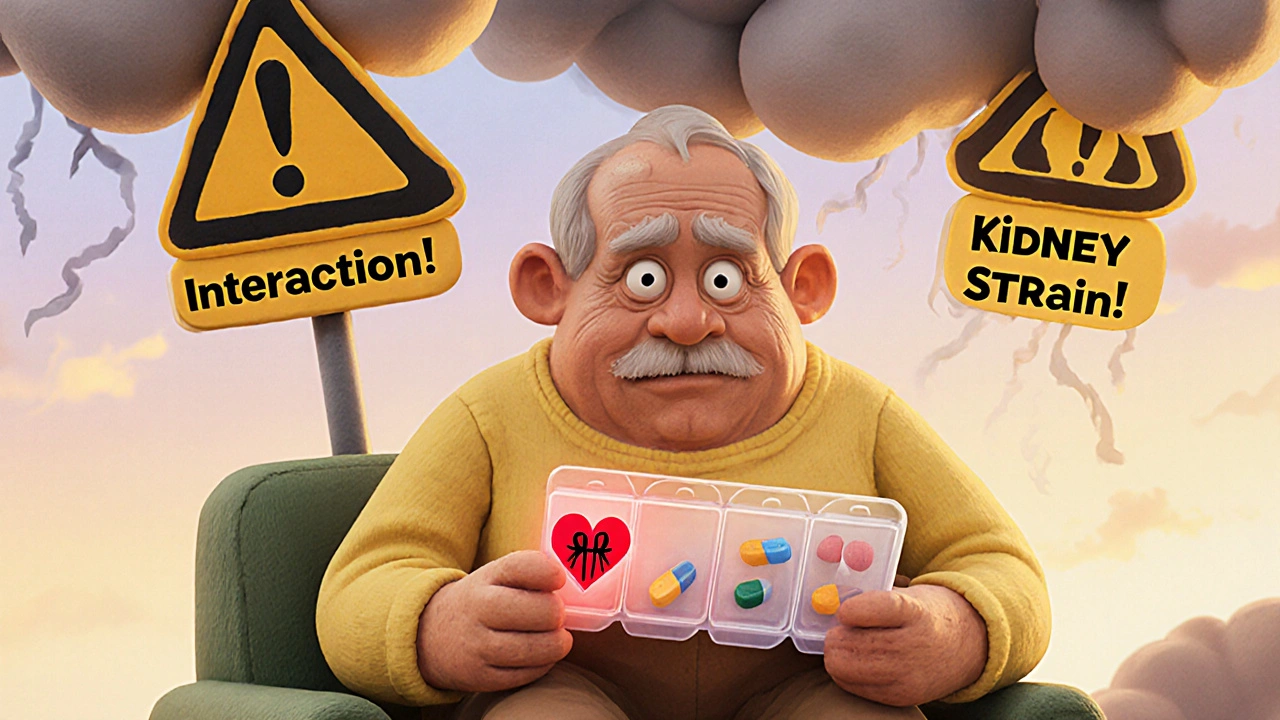
But it’s not just about the drug. Your body matters too. Age plays a big role. People over 65 are 3 to 5 times more likely to have serious side effects because their kidneys and liver don’t process drugs as quickly. That’s why older adults are often advised to avoid certain medications listed in the Beers Criteria®-a guide doctors use to spot risky drugs for seniors.
Another major factor? Taking multiple drugs. If you’re on five or more medications, your risk of side effects jumps by 88%. Why? Because drugs can interact with each other. One might boost the effect of another, or block how it’s broken down. A common example: taking ibuprofen with blood thinners can increase bleeding risk.
Your genes matter too. Around 40-95% of people have genetic variations that affect how their body handles drugs. For instance, if you have a CYP2C19 gene variant, clopidogrel (a blood thinner) might not work well for you, raising your risk of a heart attack. That’s why some hospitals now test patients’ DNA before prescribing certain drugs.
Underlying health problems also change the game. If you have kidney disease, your body can’t flush out drugs as easily. Studies show people with poor kidney function have side effects 4.2 times more often than those with healthy kidneys.
How Common Are Side Effects?
Not all side effects are created equal. The European Medicines Agency (EMA) and WHO use precise categories to describe how often they happen:
- Very common: Affects 1 in 10 or more people
- Common: Affects 1 in 10 to 1 in 100
- Uncommon: Affects 1 in 100 to 1 in 1,000
- Rare: Affects 1 in 1,000 to 1 in 10,000
- Very rare: Affects fewer than 1 in 10,000
Most side effects-85% to 90%-are Type A reactions. That means they’re predictable, tied to the dose, and usually not surprising. Think drowsiness from antihistamines or dry mouth from antidepressants.
The other 10-15% are Type B reactions. These are unpredictable, not linked to dose, and can be scary. Think severe allergic reactions or sudden liver damage. These are rare but serious.
Real Examples of Common and Serious Side Effects
Let’s look at some real-world cases across different medicines.
NSAIDs (like ibuprofen or naproxen): Used for pain and inflammation, but they can cause stomach ulcers or bleeding in 15-30% of regular users. That’s why doctors often prescribe a stomach protector alongside them for long-term users.
Antibiotics (like amoxicillin or ciprofloxacin): About 5-30% of people get diarrhea because the drug kills off good gut bacteria. In some cases, this leads to a dangerous infection called C. diff.
Doxycycline (an antibiotic): Makes your skin super sensitive to sunlight. About 10% of users get sunburns even with minimal sun exposure. Always wear sunscreen if you’re on this drug.
Chemotherapy drugs: Nausea and vomiting affect 30-90% of patients, depending on the drug. But newer anti-nausea meds have made this much more manageable.
Immune checkpoint inhibitors (cancer immunotherapy): These drugs help the immune system fight cancer-but they can also turn it against your own body. About 60-85% of patients get immune-related side effects like colitis, thyroid problems, or skin rashes.
SGLT2 inhibitors (for diabetes, like empagliflozin): These drugs help lower blood sugar by making the kidneys flush out glucose. But they also increase the risk of lower limb amputations by 77%, according to the FDA’s analysis of the CANVAS trial. That’s why they come with a boxed warning-the strongest safety alert the FDA gives.
Statins (for cholesterol, like atorvastatin): Muscle pain is the most common complaint. But studies show that 62% of people who stop statins because of pain actually feel the same pain when they take a placebo. This is called the nocebo effect-expecting side effects makes you more likely to feel them.
What Patients Don’t Know (And Why It Matters)
A 2023 Consumer Reports survey found that 57% of people think every side effect listed on the drug label will definitely happen to them. That’s not true. The list includes everything ever reported-even if it happened to one person out of 10,000.
Another surprise: 73% of people reported side effects they weren’t warned about. Why? Because some side effects only show up after months or years. Others are rare. And some aren’t even listed because they’re too new.
Worse, 68% of patients on Reddit and pharmacy forums couldn’t tell the difference between a side effect and an allergic reaction. That’s dangerous. If you think you’re allergic to a drug but it’s just a side effect, you might avoid a medicine you actually need.
And yet, 65% of patients with chronic conditions say side effects matter more to them than how well the drug works. That’s how powerful the fear of side effects is.
What You Can Do About Side Effects
You don’t have to just suffer through them. Here’s what works:
- Ask your doctor: Before starting any new drug, ask: ‘What are the most common side effects? What’s the worst one I should watch for?’
- Read the Medication Guide: The FDA requires 185 high-risk drugs to come with a plain-language guide. These are better than the tiny print on the bottle.
- Don’t stop cold turkey: Stopping some drugs suddenly can cause worse side effects than the original condition. Always talk to your doctor first.
- Use tools like MedWatcher: The FDA’s free app lets you report side effects in real time. Early data shows 23% of users spotted drug interactions their doctor missed.
- Consider genetic testing: If you’ve had bad reactions to multiple drugs, ask about pharmacogenetic testing. It can tell you which drugs your body handles poorly.
For older adults, the Beers Criteria® is a lifesaver. It lists 30 drugs that are too risky for seniors-like benzodiazepines for sleep or anticholinergics for overactive bladder. Many doctors still prescribe them. Ask if yours is on the list.
The Bigger Picture: Safety in Medicine
The global system for tracking side effects is massive. The FDA’s FAERS database has over 22 million reports. The European Union’s EudraVigilance handles over 1.7 million reports a year. The World Health Organization’s global network processes over 35 million.
But here’s the problem: only 1-10% of serious side effects are ever reported. That’s why new tech is stepping in. The FDA’s Sentinel Initiative uses electronic health records from 200 million Americans to spot dangers faster. AI tools are now predicting who’s likely to get stomach bleeding from NSAIDs-with 82% accuracy.
And it’s working. In 2022 alone, the FDA added 9 new boxed warnings and changed 27 drug labels based on side effect data. That’s how medicine gets safer over time.
But the real win? When patients understand side effects aren’t a sign the drug is broken-they’re part of the trade-off. Minoxidil causes facial hair growth in women, but 78% of those who use it for hair loss say it’s worth it. Sometimes, the side effect is just the price of getting better.
Are all side effects harmful?
No. Side effects can be harmful, harmless, or even beneficial. For example, finasteride, used for prostate issues, often causes thicker scalp hair-a side effect many men welcome. Similarly, minoxidil for hair loss can cause facial hair growth, but many users consider it an acceptable trade-off. The term ‘side effect’ simply means any effect besides the main intended one.
Can side effects happen after stopping a drug?
Yes. Stopping certain medications suddenly can cause withdrawal-like side effects. For example, stopping antidepressants like SSRIs can lead to dizziness, nausea, or brain zaps. Blood pressure meds can cause rebound spikes if stopped abruptly. Always taper off under medical supervision.
Why do some people get side effects and others don’t?
It depends on your genetics, age, liver and kidney function, other medications you’re taking, and even your expectations. For instance, people with certain CYP450 gene variants metabolize drugs slower or faster than average. Older adults are more sensitive. And if you expect to feel sick, you might-this is called the nocebo effect.
Do all side effects show up right away?
No. Some side effects appear immediately, like dizziness after your first dose of a blood pressure pill. Others take weeks, months, or even years. For example, long-term use of proton pump inhibitors (PPIs) can lead to bone loss or kidney damage. Some cancer treatments cause nerve damage or heart problems years later.
Should I stop taking my medicine if I get a side effect?
Never stop without talking to your doctor. Some side effects are mild and go away as your body adjusts. Others can be managed with a dose change or added medication. Stopping abruptly can be dangerous-like causing seizures from stopping anti-seizure drugs or spikes in blood pressure from stopping beta-blockers. Always report side effects to your provider first.
How do I know if a side effect is serious enough to call a doctor?
Call your doctor if you experience: chest pain, trouble breathing, swelling of the face or throat, sudden weakness, confusion, severe rash, yellowing of skin or eyes, unusual bleeding, or thoughts of self-harm. These can signal serious reactions. For less urgent issues, like mild nausea or dry mouth, wait a few days to see if it improves. Keep a log of symptoms and when they happen.
Danny Nicholls
November 22, 2025 AT 18:10Robin Johnson
November 23, 2025 AT 11:29Latonya Elarms-Radford
November 25, 2025 AT 04:42Mark Williams
November 25, 2025 AT 15:35Ravi Kumar Gupta
November 26, 2025 AT 20:26Rahul Kanakarajan
November 27, 2025 AT 16:15David Cunningham
November 27, 2025 AT 21:55luke young
November 29, 2025 AT 09:25Nikhil Chaurasia
November 29, 2025 AT 23:39Holly Schumacher
December 1, 2025 AT 17:57Michael Fitzpatrick
December 3, 2025 AT 06:07Shawn Daughhetee
December 5, 2025 AT 03:07Miruna Alexandru
December 6, 2025 AT 21:41Justin Daniel
December 7, 2025 AT 05:29Danny Nicholls
December 7, 2025 AT 05:39