
Melasma: Causes, Triggers, and What Medications Can Help
When your skin develops patchy brown or gray-brown discoloration—usually on the face—it’s often melasma, a common skin condition characterized by hyperpigmentation, often triggered by hormones and UV exposure. Also known as chloasma, it’s not dangerous, but it can be frustrating and hard to treat without the right approach. Unlike random sun spots, melasma shows up symmetrically, mostly on the cheeks, forehead, upper lip, or chin. It’s most common in women, especially during pregnancy, on birth control, or during hormone therapy.
What makes melasma tricky is that it doesn’t just come from the sun. Even if you wear sunscreen every day, hormonal shifts can still spark it. Certain medications, like some epilepsy drugs or hormone-based treatments, can make it worse. And once it shows up, it doesn’t vanish just because the trigger is gone. That’s why treating melasma isn’t just about bleaching creams—it’s about managing triggers, protecting your skin, and sometimes adjusting your meds. Sunscreen isn’t optional here; it’s the foundation. Without it, even the strongest topical treatments fail.
Many people try hydroquinone, azelaic acid, or retinoids, but results vary. What works for one person might irritate another. And while some over-the-counter brightening products promise quick fixes, they often lack the punch needed for stubborn melasma. The real key is consistency: daily sunscreen, avoiding heat and direct sun, and working with a dermatologist to find the right combo. It’s not a race. It’s a long-term habit.
Below, you’ll find real, practical advice from posts that tackle the hidden links between medications and skin changes. You’ll learn how certain drugs can trigger or worsen pigmentation, what alternatives exist, and how to protect your skin without sacrificing your health. Whether you’re dealing with melasma yourself or helping someone who is, these posts cut through the noise and give you what actually works.
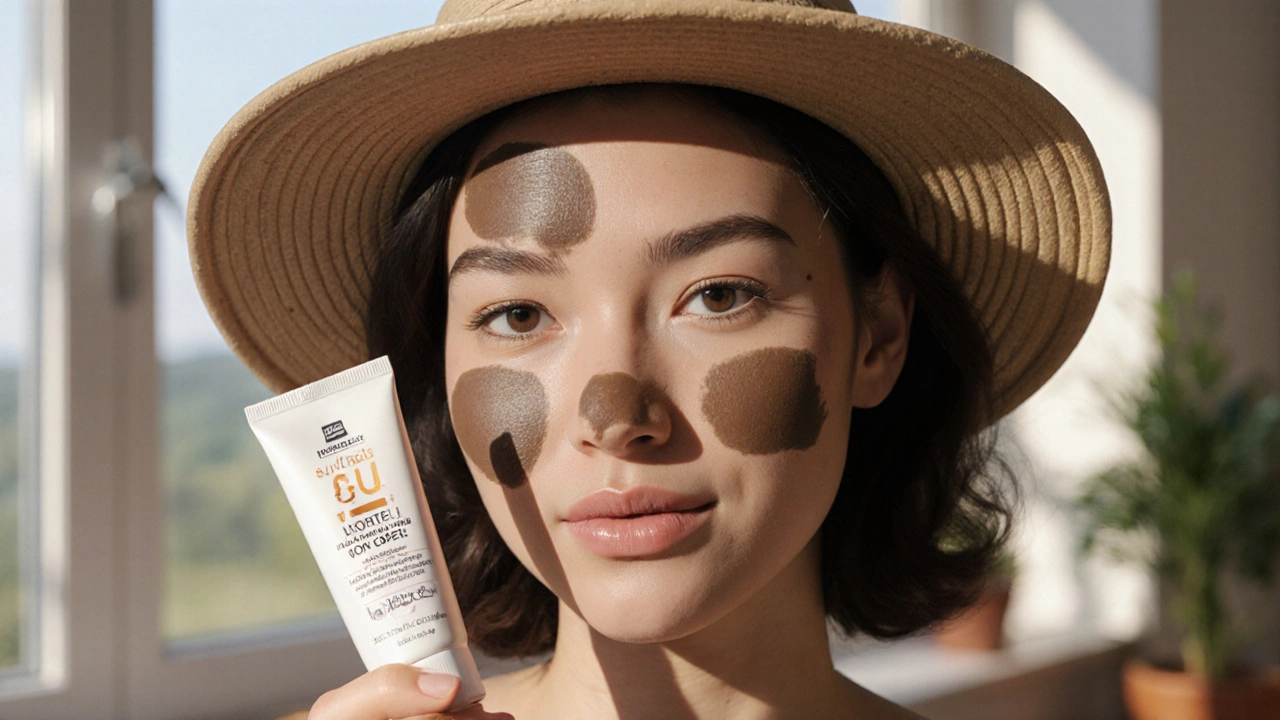
Hyperpigmentation: Understanding Melasma, Sun Damage, and Effective Topical Treatments
Learn the difference between melasma and sun damage, why common treatments fail, and the proven topical agents that actually work-backed by dermatology research and real-world results.