

When a life-saving drug runs out, who gets it? This isn’t science fiction. In 2023, hospitals across the U.S. faced severe shortages of carboplatin and cisplatin-two critical chemotherapy drugs. Oncologists had to choose between patients with identical diagnoses. One might live. The other might not. No one wanted this job. But someone had to make the call.
Why Medication Rationing Is Happening Now
Drug shortages aren’t new, but they’ve gotten worse. In 2005, there were 61 reported shortages in the U.S. By 2023, that number jumped to 319. Most of these are sterile injectables-drugs given through IVs. Cancer drugs, antibiotics, and anesthetics top the list. Why? A few big manufacturers control most of the supply. When one factory has a quality issue, or a raw material runs out, the whole system stumbles. The FDA says 85% of generic injectables come from just three companies. That’s not competition. That’s vulnerability.What Ethical Rationing Actually Means
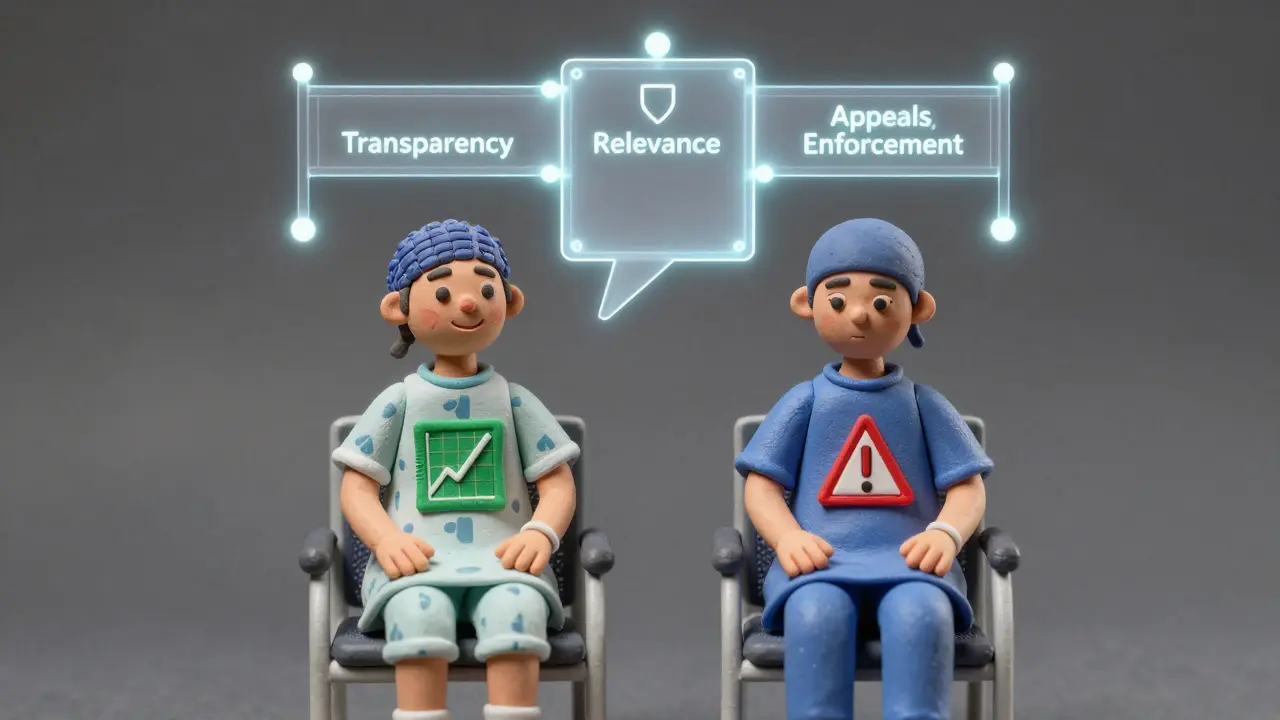
Rationing isn’t about saying "no" to treatment. It’s about saying "who gets it first," when there’s not enough for everyone. Ethical rationing means using clear, fair rules instead of letting doctors decide on the spot. Without rules, decisions become random. A patient with a loud family might get priority. Someone without insurance might be left out. That’s not justice. It’s luck. The most respected framework comes from bioethicists Daniel and Sabin. They say any fair system must have four things:- Transparency-Everyone knows how decisions are made.
- Relevance-Decisions are based on medical facts, not personal bias.
- Appeals-Patients or families can challenge a decision.
- Enforcement-Someone checks that the rules are followed.
Who Decides? Committees Over Clinicians
In too many hospitals, a single doctor makes the call. That’s called bedside rationing. A 2022 study found over half of all rationing decisions happened this way. But here’s the problem: doctors are overwhelmed. They’re grieving. They’re burned out. Asking them to pick who lives or dies is unfair-and it leads to more trauma. The better way? Multidisciplinary committees. These teams include pharmacists, nurses, social workers, patient advocates, and ethicists. They meet when a shortage hits. They review patient cases. They apply the same rules to everyone. Hospitals with these committees report 32% fewer disparities in who gets treatment. They also see lower burnout among staff. But here’s the ugly truth: only 36% of U.S. hospitals have standing shortage committees. And only 2.8% include an ethicist. That means most decisions are made without the people who specialize in fairness.How Do You Pick Who Gets the Drug?
There’s no perfect formula. But experts agree on key criteria:- Urgency-Is this patient’s condition life-threatening right now?
- Chance of benefit-Will the drug actually help? Or is it just delaying the end?
- Duration of benefit-Will they live longer? Or just feel better for a few weeks?
- Years of life saved-Giving a drug to a 25-year-old might save decades. A 90-year-old might gain months.
- Instrumental value-Should frontline workers get priority? Some argue yes, because they save others.
What Happens When Rules Are Ignored
Without clear systems, bad things happen. Departments hoard drugs. Nurses hide vials in fridges. Patients aren’t told they’re being rationed. A 2022 survey found only 36% of patients knew their treatment was limited. That’s not informed consent. That’s deception. One oncologist in Texas told a forum: "I’ve had to choose between two stage IV ovarian cancer patients for limited carboplatin doses three times this month-with no institutional guidance." That’s not medicine. That’s moral injury. And it’s worse in rural areas. Sixty-eight percent of small hospitals have no formal rationing plan. Meanwhile, big academic centers have teams, protocols, and training. That’s not just unfair. It’s deadly.What Works: Real Solutions in Practice
Minnesota’s Department of Health created a clear, step-by-step plan for carboplatin and cisplatin shortages in 2023. They ranked patients into tiers:- Tier 1-Curative intent, no alternative, high chance of survival.
- Tier 2-Palliative intent, but significant symptom relief possible.
- Tier 3-No benefit expected, or alternatives exist.
- 41% drop in clinician distress
- 89% fewer complaints about inconsistent care
- 72% of patients informed about rationing
The Big Gaps Still Left
Even the best systems miss something: equity. A 2021 report found 78% of rationing plans don’t track race, income, or zip code. That means people in poor neighborhoods or minority communities are more likely to be left out-because their outcomes are worse to begin with. Is that fair? Or are we just reinforcing existing gaps? Also, training is weak. Only 13.3% of hospitals include physicians on their shortage committees. Pharmacists are doing the heavy lifting. But doctors hold the power. If they’re not at the table, change won’t stick.
What’s Coming Next
The FDA is building an AI-powered early warning system to predict shortages before they happen. That’s huge. If you know a drug will run out in 60 days, you can prepare. You can find alternatives. You can train your team. The National Academy of Medicine is drafting standardized ethical metrics for 2024. And in January 2024, 15 states launched pilot programs to certify hospital rationing committees. That’s the first time anyone’s tried to make this a professional standard. But the biggest fix? Transparency. Patients deserve to know. Families deserve to be heard. Clinicians deserve support. And the system deserves to be rebuilt-not just patched.What You Can Do
If you or a loved one is facing a shortage:- Ask: "Is there a rationing plan here?"
- Ask: "Who decided this? Can I see the criteria?"
- Ask: "Can I appeal this?"
- Ask: "Are there alternatives?"
- Push for a committee. Even if it’s just three people.
- Use the CDC’s Crisis Standards of Care toolkit-it’s free and ready to use.
- Document every decision. Why? Because if it’s not written down, it didn’t happen.
Final Thought
Medication rationing isn’t about running out of pills. It’s about running out of moral clarity. We can’t fix the supply chain overnight. But we can fix how we respond. Fairness isn’t optional. It’s the foundation of medicine. When drugs are scarce, ethics become the most important medicine of all.Is it legal to ration medications in hospitals?
Yes, rationing is legal when done through transparent, ethical frameworks. It’s not about denying care-it’s about allocating scarce resources fairly when supply can’t meet demand. The law doesn’t require hospitals to have unlimited supplies, but it does require them to avoid discrimination and ensure decisions are made consistently. Courts have upheld rationing protocols when they follow established bioethical guidelines.
Why don’t all hospitals have rationing committees?
Most hospitals lack the resources, staff, or leadership buy-in to create formal committees. Setting one up takes time, training, and money. Many leaders think shortages are rare or temporary. But with over 300 active shortages in 2023, that mindset is outdated. Smaller and rural hospitals face the biggest barriers-fewer specialists, no ethicists on staff, and no budget for training.
Can patients be told they’re being rationed?
Yes, and they should be. Only 36% of patients are currently informed, according to JAMA. Withholding this information violates informed consent. Patients have the right to know why their treatment changed, even if the reason is supply-based. Honest communication reduces anger, builds trust, and helps families make better decisions.
Are there alternatives to shortage drugs?
Sometimes. For example, when cisplatin is unavailable, some oncologists switch to carboplatin or oxaliplatin-but these aren’t always equally effective. Alternatives may have different side effects or lower success rates. Pharmacists and clinical teams must evaluate each option based on the patient’s condition. The goal isn’t just to give *something*-it’s to give the best possible alternative.
How can I find out if a drug I need is in short supply?
Check the FDA’s Drug Shortages database, which is updated weekly. Also, ask your pharmacist or oncologist directly. Many hospitals now have internal alerts for critical shortages. If you’re on a long-term treatment like chemotherapy, request a written plan that includes backup options if your drug runs out. Don’t wait until the last minute.
Ashok Sakra
January 20, 2026 AT 20:30This is so messed up. I mean, imagine being the doctor who has to pick who lives and who dies. Like, I don’t care what rules they have-it’s still going to haunt you for life. My cousin died because they ran out of chemo. No one told us why. Just said ‘we’re out.’ No explanation. No apology. Just silence.
Kelly McRainey Moore
January 22, 2026 AT 04:45Man, I just read this and cried. Not because I’m dramatic, but because this is real life. People think hospitals are like hospitals in movies-always have everything. Nah. They’re barely holding it together. And the fact that only 2.8% have ethicists? That’s not a system. That’s a disaster waiting to happen.
Sangeeta Isaac
January 22, 2026 AT 17:55so like… we’re basically playing russian roulette with cancer drugs? and the guy with the nicest family wins? lmao. also why is it always the poor and brown folks who get left out? this isn’t ethics, this is capitalism with a side of guilt.
michelle Brownsea
January 24, 2026 AT 08:10It is absolutely unacceptable that hospitals are not mandated to implement transparent, ethically sound, and legally defensible rationing protocols-especially when the FDA itself acknowledges that 85% of injectable generics originate from just three manufacturers. This is not merely a logistical failure; it is a systemic moral collapse, compounded by institutional negligence, and it must be addressed with immediate legislative intervention.
Stephen Rock
January 25, 2026 AT 20:26They’re just delaying the inevitable. You think a committee makes it better? Nah. It just makes the guilt feel more official. Doctors still have to do it. Patients still die. And now you’ve got five people in a room arguing over who gets to live. Cool. Real cool.
Jarrod Flesch
January 27, 2026 AT 00:08As an Aussie, we’ve got our own shortages-especially with antibiotics. But here’s the thing: our hospitals have clear triage guidelines and public info. No secrets. Patients know why. It’s not perfect, but it’s honest. Maybe we need to copy that model. 😊
Philip Williams
January 28, 2026 AT 08:50While the ethical frameworks proposed by Daniel and Sabin are commendable, their implementation remains inconsistent due to a lack of standardized training and institutional accountability. The absence of physician representation on rationing committees undermines clinical validity. Without frontline medical expertise, decisions risk becoming detached from patient realities.
Barbara Mahone
January 29, 2026 AT 08:21I work in a rural clinic. We don’t have a committee. We don’t have an ethicist. We have one pharmacist who stays up till 2 a.m. figuring out how to stretch doses. And we still try to tell patients the truth-even when it breaks our hearts. This system isn’t broken because of greed. It’s broken because we forgot to care enough to fix it.
Andrew Rinaldi
January 31, 2026 AT 06:57It’s funny how we call this ‘rationing’ like it’s some kind of economic policy. But it’s not. It’s death by spreadsheet. And the worst part? The people who get to design the spreadsheets never have to sit across from the family when they say, ‘I’m sorry, we can’t help you.’
Melanie Pearson
February 1, 2026 AT 01:53This is why America needs to bring manufacturing back. We rely on foreign suppliers for life-saving drugs? Unacceptable. We have the technology, the talent, and the resources. If we had domestic production, we wouldn’t be in this position. This isn’t an ethical issue-it’s a national security failure.
Uju Megafu
February 1, 2026 AT 02:45And yet, in Nigeria, we don’t even have access to these drugs at all. No committees. No tiers. No transparency. Just silence. You pay, you get it. You don’t, you die. So please-stop talking about fairness like it’s a luxury we can afford. We’re not even on the same planet.