
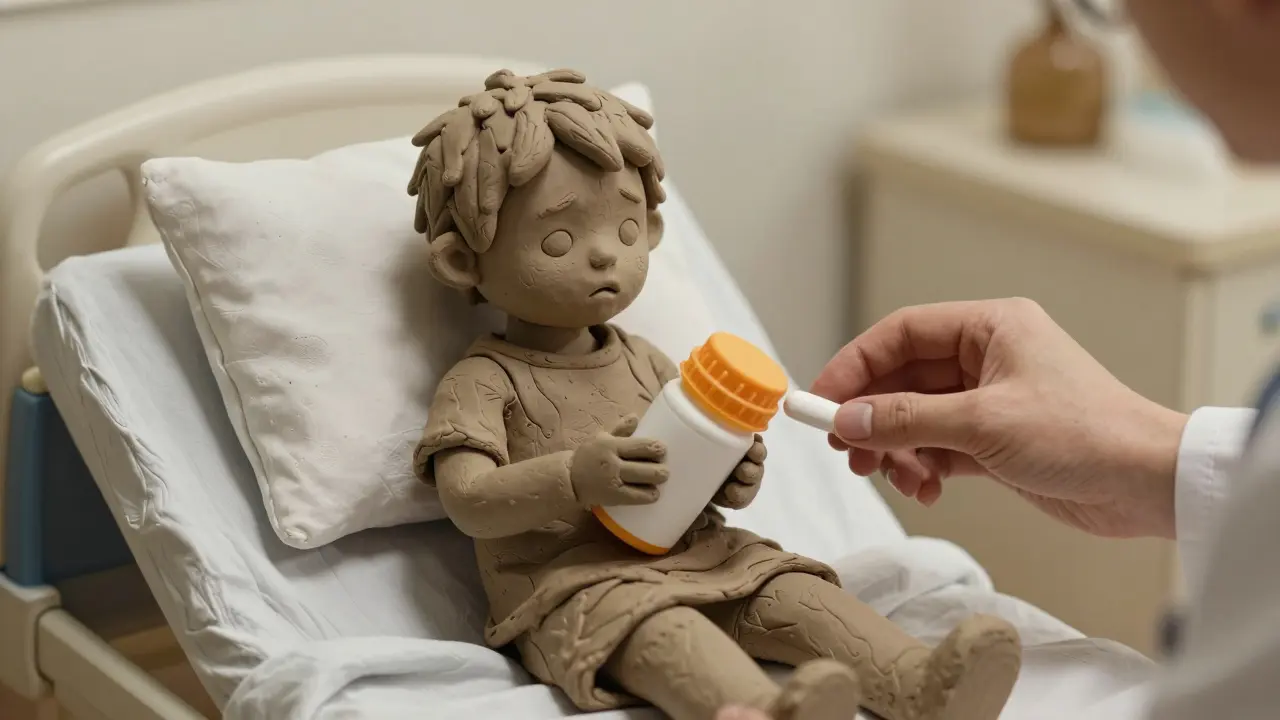
For decades, most medications weren't tested on children. Doctors often prescribed adult drugs to kids with little data on safety or dosage. This led to dangerous situations. pediatric exclusivity changed that. It's a clever FDA rule that gives drug companies extra market protection in exchange for studying drugs in kids. But here's the catch: it doesn't extend patents. Let's unpack how this works.
What Exactly is Pediatric Exclusivity?
Pediatric exclusivity is a regulatory tool created by the FDA under Section 505A of the Federal Food, Drug, and Cosmetic Act. It was made permanent through the Best Pharmaceuticals for Children Act of 2002. This isn't a patent extension-it's a six-month period where the FDA can't approve generic versions of the drug. Companies earn this by conducting pediatric studies as requested by the FDA.
How It Actually Works
The FDA issues a Written Request specifying the needed pediatric studies. Drug companies must complete these studies and submit reports. The FDA then reviews them within 180 days. If approved, the pediatric exclusivity kicks in. Crucially, this exclusivity attaches to all existing patent and regulatory protections for the drug. For example, if a drug has five-year new chemical entity exclusivity, the pediatric exclusivity adds six months to that period. But it doesn't touch the actual patent term itself.
Key Distinction: Not a Patent Extension
Many people confuse pediatric exclusivity with patent extension. It's not. Patent term extensions happen through the U.S. Patent and Trademark Office and add years to the patent. Pediatric exclusivity is purely regulatory. The FDA uses it to block generic approvals. Even if a patent expires, the exclusivity can still prevent generics from entering the market. This is why it's so powerful-it works independently of patents.

Eligibility and Timing
To qualify for pediatric exclusivity, the drug must have at least nine months of existing exclusivity left. This includes patent life or other regulatory protections like five-year new chemical entity exclusivity. The exclusivity applies to all dosage forms and indications of the drug containing the same active ingredient. For example, if a company has a pill and a liquid version of the same drug, both get the six-month extension. The FDA's Orange Book lists affected patents with both original and extended expiration dates.
Real-World Impact
Consider a blockbuster drug with $1 billion in annual sales. Six months of exclusivity could mean hundreds of millions in revenue. Drug companies strategically use pediatric exclusivity to extend market dominance. For instance, when a patent expires but the exclusivity remains, generics can't enter. This gives brands extra time to develop new formulations or indications. It's a critical part of pharmaceutical lifecycle management.
Common Misconceptions
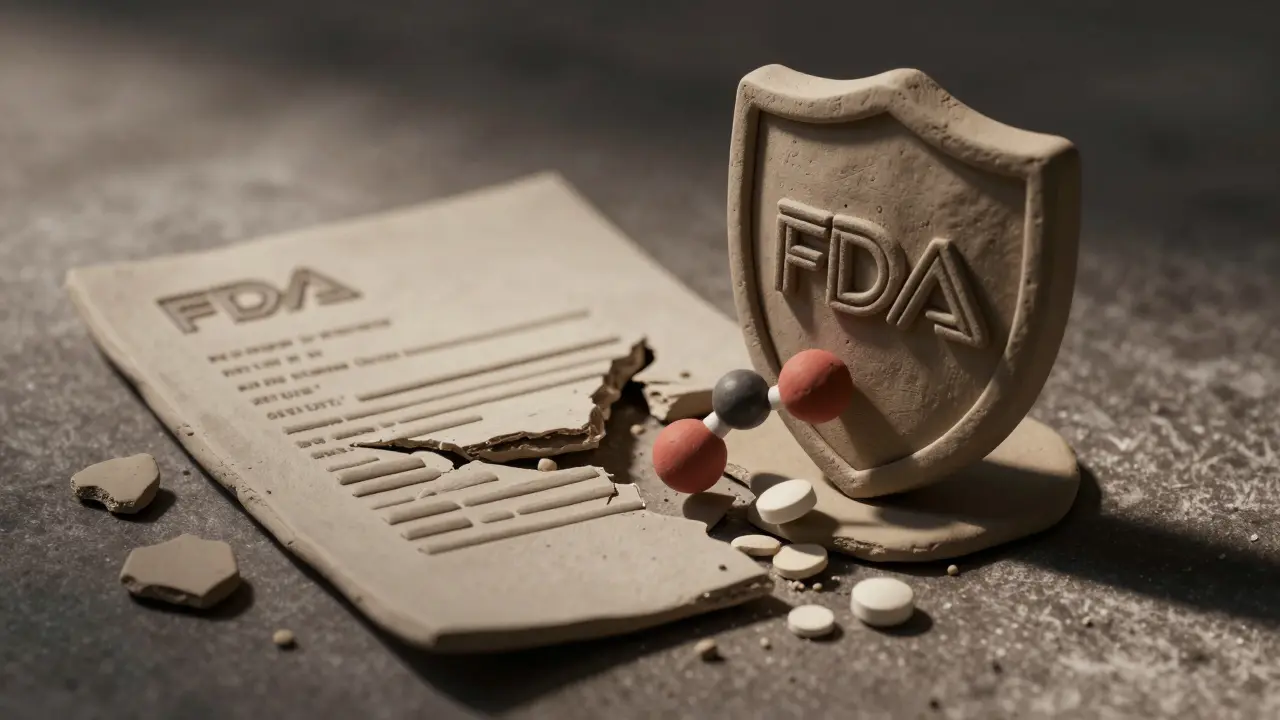
Many assume pediatric exclusivity extends patents. It doesn't. It also doesn't apply to biologics. Under the Biologics Price Competition and Innovation Act (BPCIA), biologics have different rules. Another myth: it blocks all generics. Actually, if a generic company wins a patent lawsuit, the FDA can approve them during exclusivity. The exclusivity is a regulatory barrier, not an absolute block.
Comparison Table
| Aspect | Pediatric Exclusivity | Patent Term Extension |
|---|---|---|
| What it extends | Regulatory approval period | Actual patent term |
| Trigger | Completing pediatric studies | Patent office approval |
| Duration | 6 months | Up to 5 years |
| Applies to | All dosage forms of same active moiety | Specific patent |
| Administered by | FDA | U.S. Patent and Trademark Office |
Frequently Asked Questions
Does pediatric exclusivity extend the patent itself?
No. Pediatric exclusivity doesn't change the patent term at all. It's a separate regulatory mechanism that blocks the FDA from approving generic drugs for six months. Even if the patent expires, this exclusivity can still prevent generics from entering the market.
Can pediatric exclusivity apply to a drug with no remaining patent?
Yes, but only under specific conditions. If the drug has no patent or regulatory exclusivity left, the FDA may still grant pediatric exclusivity if the supplemental application itself qualifies for new exclusivity. For example, extending an adult indication to pediatric use could trigger new exclusivity.
Does pediatric exclusivity apply to biologics?
No. Pediatric exclusivity applies only to small-molecule drugs, not biologics. Biologics fall under different regulations like the Biologics Price Competition and Innovation Act (BPCIA), which doesn't use the same patent linkage system as traditional drugs.
What happens when a patent expires during the pediatric exclusivity period?
The FDA converts Paragraph IV certifications to Paragraph II, meaning the exclusivity becomes the sole barrier to generic approval. Courts have upheld this process. Generics can't enter the market until the six-month exclusivity period ends, regardless of patent status.
How does pediatric exclusivity affect generic drug approvals?
During the six-month exclusivity period, the FDA can't approve generic applications unless specific exceptions apply. These include court rulings that the patent is invalid, waivers from the brand company, or dismissal of the civil action. This gives brand companies significant market protection beyond patent life.