
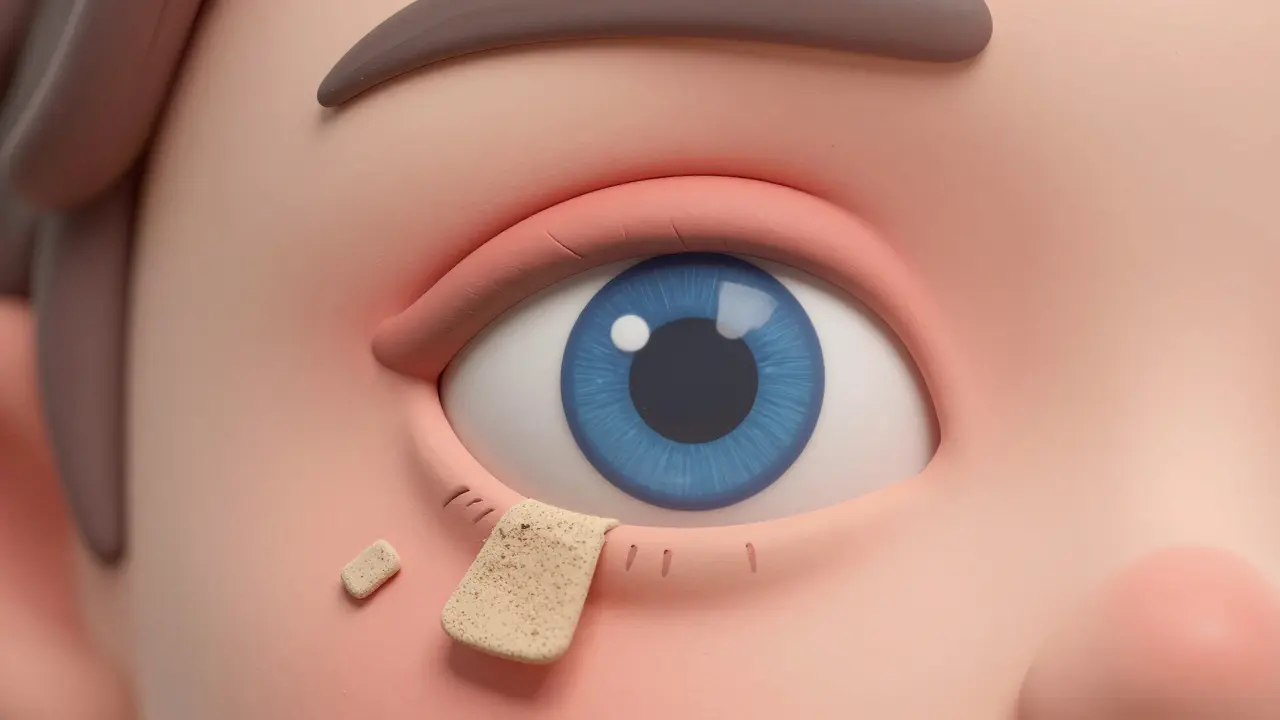
If you've been told you have MGD, the first thing to understand is that this isn't a condition you "cure" with a single pill. It is a lifelong management process. Depending on whether your glands are physically blocked (obstructive MGD) or just producing low-quality oil (hypersecretory MGD), your path to relief will look different. The goal is simple: clear the pipes, reduce the inflammation, and keep the oil flowing.
The Essentials of MGD Management
Managing an ocular surface disease requires a "multimodal" approach. This is a fancy way of saying you can't just do one thing; you need a combination of in-office procedures and a strict home routine. If you get a high-tech treatment but skip your daily lid hygiene, the blockage often returns within a few weeks.
The standard home care regimen is the foundation of everything else. It typically involves 10 to 15 minutes of daily effort: starting with 5 minutes of warm compresses-like a Bruder Mask, which maintains a steady temperature of 40-42°C-followed by a gentle lid massage and cleaning with a hypochlorous acid solution. This process thins the thickened oil and clears debris from the gland openings.
| Treatment | Primary Action | Best For | Typical Duration/Frequency |
|---|---|---|---|
| LipiFlow | Thermal Pulsation | Obstructive MGD (OMGD) | 1-2 sessions per year |
| IPL Therapy | Light-based Heat | Inflammation & Telangiectasia | 4 sessions (every 3 weeks) |
| MGP (Probing) | Mechanical Clearing | Severe Blockages/Fibrosis | Case-by-case session |
| Azithromycin | Antibiotic/Anti-inflammatory | Bacterial/Inflammatory MGD | 5-day short course |
In-Office Procedures for Severe Blockage
When home care isn't enough, doctors turn to specialized devices to "unclog" the glands. One of the most well-known is the LipiFlow, a device that applies controlled heat and pressure to the inner eyelids. Clinical data shows it can significantly improve the expressibility of the glands, though it is often more effective for those with physical obstructions than those with poor oil quality.
For those with persistent redness and inflammation, Intense Pulsed Light (IPL) therapy is a powerful tool. It uses light wavelengths (500-1200 nm) to target abnormal blood vessels near the skin surface. This reduces the inflammatory signals that tell your glands to stop working. However, experts suggest that IPL works best when combined with manual gland expression; using it alone often yields weaker results.
Then there is Meibomian Gland Probing (MGP). This is a more direct approach where a specialist uses a thin probe to mechanically clear out a blocked duct. This is particularly useful for patients who have developed periductal fibrosis-basically, scar tissue that blocks the oil from escaping-which heat treatments alone often fail to penetrate.
Pharmacological Options and Medicated Care
Sometimes, the issue is systemic inflammation that needs a chemical nudge. In the past, long-term use of doxycycline was the standard, but newer evidence points toward a shorter, more effective alternative. A 5-day course of oral azithromycin has shown better results in reducing conjunctival redness with significantly fewer side effects than a full month of doxycycline.
For those with advanced stages of MGD, topical medications like Lifitegrast can help. This medication focuses on reducing the inflammatory markers on the eye's surface. In severe cases, it has been shown to significantly reduce corneal staining, which is a primary indicator of surface damage.
The Reality of Costs and Long-term Success
Let's be honest: the biggest hurdle in MGD care isn't the science, it's the cost. In-office procedures like LipiFlow can cost between $1,500 and $2,500 per treatment, and many insurance plans still label these as "experimental." This creates a frustrating gap where patients know what works but cannot afford the gold-standard care.
Another critical factor is the timing of treatment. If you catch MGD early, your outcomes are significantly better. Patients treated within a year of their first symptoms show much higher success rates than those who wait five years, at which point the glands may have undergone permanent atrophy (death of the gland). Once a gland is gone, no amount of heat or probing can bring it back.
Preventing Recurrence: The Maintenance Phase
The most common mistake patients make is treating MGD like a cold-something you fix and then forget about. Because MGD is chronic, the blockages will return. High-tech treatments provide a "reset," but the home regimen provides the "maintenance." Without daily warm compresses and lid hygiene, recurrence rates can exceed 60% within six months.
If you are planning any other eye surgeries, such as cataract surgery, it is now recommended to treat your MGD first. Even if you aren't feeling severe symptoms, stabilizing the ocular surface reduces postoperative inflammation by about 40%, making your overall recovery much smoother.
Can MGD be cured permanently?
No, MGD is a chronic condition. While procedures like LipiFlow or IPL can provide significant relief and restore gland function for months at a time, they are not permanent cures. Consistent home care, such as warm compresses and lid hygiene, is required to prevent the glands from blocking up again.
Why is my insurance not covering LipiFlow or IPL?
Many insurance providers still categorize thermal evacuation and light-based therapies as "investigational" or "experimental." This is often due to a lack of long-term, large-scale clinical data that satisfies their specific criteria, despite widespread use by specialists.
What is the difference between obstructive and hypersecretory MGD?
Obstructive MGD (OMGD) occurs when the gland is physically blocked by a "plug" of thickened oil or debris, preventing any oil from leaving. Hypersecretory MGD (HMGD) is when the glands are actually producing oil, but the quality is poor-it's too thin or chemically imbalanced-which still leads to rapid tear evaporation.
Will warm compresses alone fix my dry eyes?
For very mild cases, warm compresses may provide enough relief. However, for most people with diagnosed MGD, home care is only one part of the puzzle. You likely need a combination of medical treatment to reduce inflammation and professional procedures to clear deep blockages before home care becomes truly effective.
How do I know if my glands are atrophied?
This is diagnosed through meibography, a specialized imaging technique that takes a photo of the gland structure. If the image shows "dropout" or missing areas where glands should be, it indicates atrophy. Patients with significant gland loss generally have lower response rates to thermal treatments.
Next Steps for Relief
If you're just starting this journey, your first step should be a comprehensive dry eye exam that includes meibography. This tells you exactly how many glands you have left and whether your MGD is obstructive or hypersecretory.
- For beginners: Start with a Bruder Mask and a hypochlorous acid spray. Establish a 14-day habit before adding more complex treatments.
- For those with moderate symptoms: Discuss a short course of oral azithromycin with your doctor to knock down systemic inflammation.
- For chronic, severe cases: Look for a specialist who offers a combined approach of MGP (probing) and thermal pulsation to handle both fibrosis and blockages.