
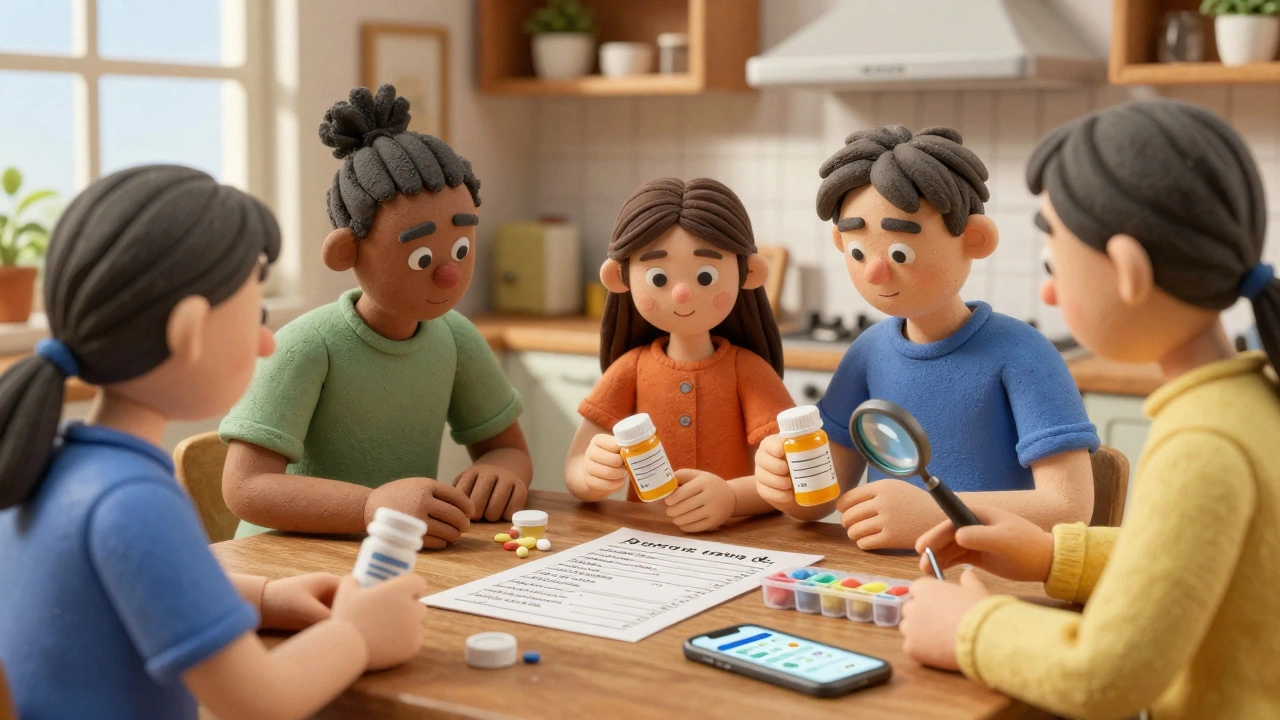
Every year, over 1.3 million people in the U.S. end up in the emergency room because of problems with their medications. Many of these cases aren’t accidents-they’re preventable. You’re not alone if you’ve ever stared at a pill bottle wondering, "Did I take this already?" or "Why does this pill look different?" Medication safety isn’t just for hospitals. It’s something you need to manage every day, whether you’re taking one pill or ten.
Know Your Medications Inside and Out
You can’t stay safe if you don’t know what you’re taking. The FDA says patients should ask eight key questions about every new prescription: What’s the name? What’s the active ingredient? Why am I taking it? How much and when? What does it look like? When does it expire? What side effects should I watch for? And what should I avoid mixing it with? Don’t just rely on the pharmacist’s label. Write down the answers. Keep a list-physical or digital-that includes every prescription, over-the-counter drug, vitamin, and supplement. Update it every time you see a doctor or fill a new prescription. A CDC study found that half of all medication errors happen during care transitions, like going from hospital to home, because no one has the full picture. One man in Adelaide started keeping a small notebook after he mixed up his blood pressure meds. "I took the wrong one for three days," he said. "My head pounded. I didn’t know why until I checked my list." That notebook saved him from a hospital trip.The Five Rights of Safe Medication Use
Healthcare professionals use the "Five Rights" to avoid mistakes. You should too:- Right patient: Is this medication really for you? Double-check your name on the bottle.
- Right drug: Does the name match what your doctor prescribed? Watch out for look-alike names like glimepiride and glyburide-both treat diabetes, but mix them up and your blood sugar can crash.
- Right dose: Is it 5 mg or 50 mg? Don’t guess. If the dose seems too high or low, ask.
- Right route: Is it meant to be swallowed, injected, or applied to the skin? Taking a patch orally can be deadly.
- Right time: Are you taking it with food? At night? Every 8 hours? Timing matters. Antibiotics, for example, lose effectiveness if you skip doses or stop early.
Watch Out for High-Risk Medications
Some drugs are more dangerous than others. The Institute for Safe Medication Practices (ISMP) calls these "high-alert medications." They include insulin, warfarin, heparin, and IV oxytocin. A mistake with one of these can kill you. Even if you’re not in a hospital, these drugs need extra care. If you take warfarin, for example, you need regular blood tests. Missing one can lead to dangerous bleeding or clots. Insulin doses must be exact-too much can cause a coma. Never change your dose without talking to your doctor. And don’t assume your doctor knows everything you’re taking. A 2022 survey found that 58% of U.S. hospitals don’t consistently record over-the-counter meds or supplements during medication reviews. That’s a gap. Your fish oil, turmeric, or St. John’s wort could interfere with your blood thinner or antidepressant.Use Tools to Stay on Track
A pill organizer isn’t just for seniors. If you take more than three medications daily, it helps. Studies show using one reduces errors by 35% in older adults-and many younger people benefit too. Set phone alarms. Use apps like the CDC’s free Medication Safety Checklist (launched in January 2024). It lets you log doses, track refills, and get reminders. One woman in Perth said her phone alarms saved her after she started a new antidepressant. "I was so tired I’d forget. Now I get a ping at 8 a.m. and 8 p.m. No more guessing." Also, always check the appearance of your pills when you pick them up. If they look different-even if the name is the same-ask. A pharmacy error involving look-alike drugs caused a Reddit user to take the wrong diabetes pill for three days. "I thought I was fine," they wrote. "Then my hands started shaking. I barely made it to the clinic."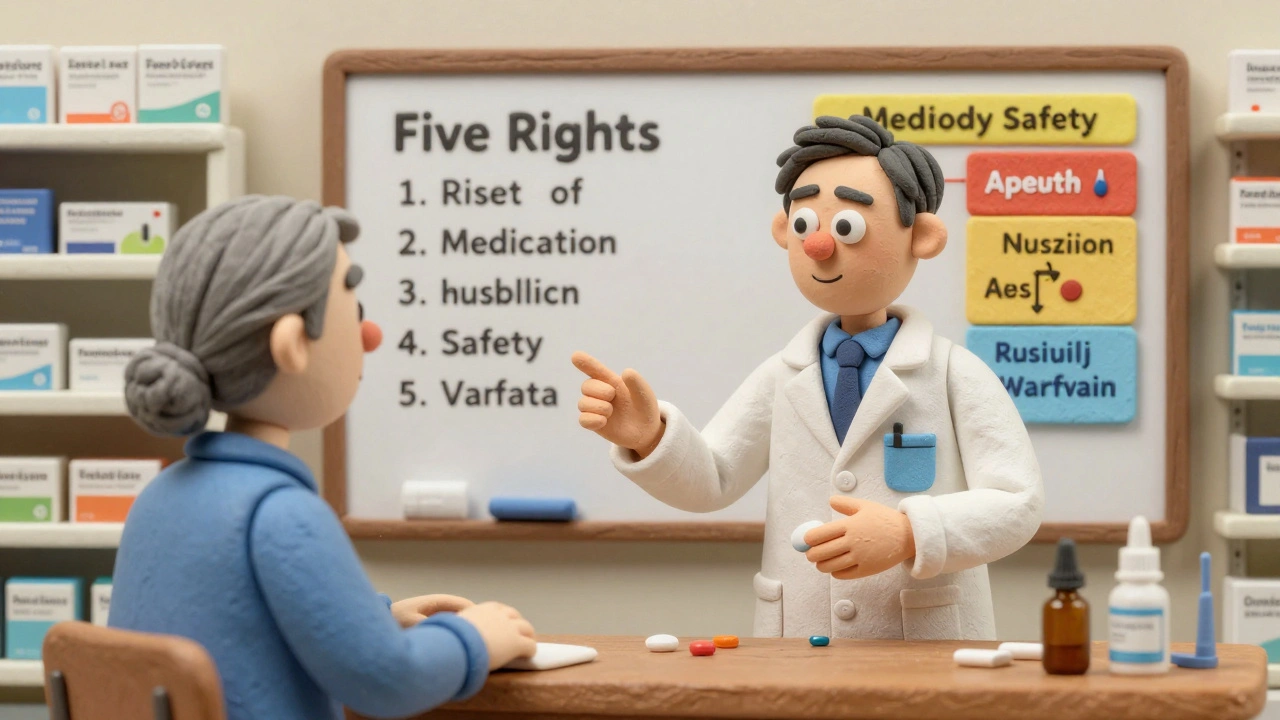
Never Skip or Stop Without Talking to Your Doctor
You might feel better after a few days and think, "I don’t need this anymore." Don’t. Stopping antibiotics early is one of the top reasons they stop working. The FDA says 23% of antibiotic treatment failures happen because people quit too soon. Same goes for blood pressure or cholesterol meds. You might not feel symptoms, but the damage is still happening. If you can’t afford your meds, talk to your doctor or pharmacist. There are patient assistance programs. Don’t cut pills in half or skip doses to make them last.Medication Reconciliation Saves Lives
When you move from one care setting to another-hospital to home, doctor to specialist-your meds can get lost. That’s called a "care transition." The Joint Commission requires hospitals to do "medication reconciliation"-a detailed comparison of what you’re supposed to take versus what you’re actually taking. Studies show when pharmacists do this, medication errors drop by 20% to 45%. When doctors do it alone, the drop is only 12% to 25%. That’s why pharmacists are called the "last line of defense." They’re trained to spot duplicates, interactions, and dosing errors. Bring your full medication list to every appointment-even if you think it’s "just a checkup." If you’re seeing a new specialist, hand them the list before they even sit down. You’re not being pushy. You’re protecting yourself.Clean Out Your Medicine Cabinet
Expired meds aren’t just useless-they’re risky. The Illinois Department of Public Health found that 38% of accidental poisonings in children happen because of old pills left in cabinets. Do a medicine cabinet clean-out twice a year. Toss anything that’s past its expiration date, smells odd, or looks changed. Don’t flush most pills down the toilet-check with your local pharmacy for safe disposal programs. Many offer drop boxes. Also, keep meds out of reach of kids and pets. A simple lockbox or high shelf makes a big difference.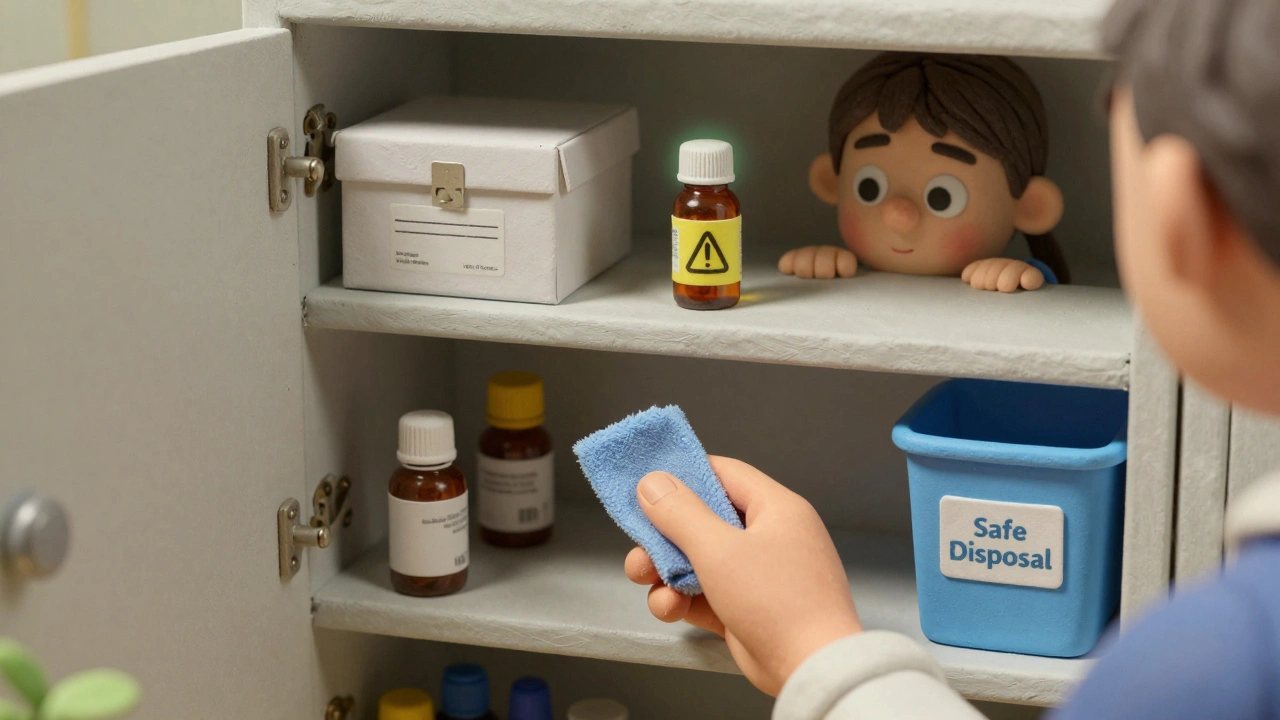
Ask for the Teach-Back Method
A simple trick called "teach-back" improves adherence by 40%. After your doctor explains how to take a new drug, ask them to stop and say: "Can you tell me in your own words how I’m supposed to take this?" If you can explain it clearly, you’re more likely to get it right. If you stumble, they’ll re-explain. It’s not a test-it’s a safety net.What to Do If Something Feels Wrong
If you feel dizzy, nauseous, confused, or notice unusual bruising or swelling after starting a new med, don’t wait. Call your pharmacist first. They’re available during business hours and can often answer questions faster than your doctor’s office. If it’s an emergency-trouble breathing, chest pain, swelling of the face-call emergency services immediately. Don’t assume it’s "just a side effect." Some reactions can escalate fast.Final Thoughts: Safety Is a Habit, Not a One-Time Task
Medication safety isn’t about memorizing a list. It’s about building habits: keeping an updated list, checking labels every time, asking questions, and using tools to stay organized. It takes 3 to 5 visits to a healthcare provider to form these habits. For older adults, it can take more than seven. The good news? You don’t need to be perfect. You just need to be consistent. One small step-like writing down your meds-can prevent a hospital visit. Another-like asking your pharmacist about interactions-can save your life. Your health isn’t a burden. It’s your responsibility. And with the right habits, you can take control of it-without fear, confusion, or risk.What should I do if I miss a dose of my medication?
Don’t double up unless your doctor says to. Check the medication guide or call your pharmacist. For some drugs, like antibiotics, missing a dose can reduce effectiveness. For others, like blood pressure meds, skipping one day won’t cause harm, but doing it often can. Always ask before adjusting your dose.
Can I take my prescription meds with alcohol?
Sometimes, but never assume it’s safe. Alcohol can increase drowsiness with painkillers, raise blood pressure with antidepressants, or cause liver damage with certain antibiotics. Always ask your pharmacist about interactions. If the label doesn’t say, assume it’s risky.
Why do my pills look different this time?
That’s usually because your pharmacy switched to a different manufacturer. Generic drugs can look different but still contain the same active ingredient. Still, always check the name, dose, and instructions. If something looks wrong-like a different shape, color, or imprint-ask the pharmacist to confirm it’s correct.
Are over-the-counter drugs safe to take with prescriptions?
Not always. Common OTC drugs like ibuprofen, antacids, or cold medicines can interact with prescriptions. For example, ibuprofen can raise blood pressure and interfere with blood thinners. Always tell your pharmacist about every OTC product you use-even if you think it’s "just a vitamin."
How do I know if I’m having a bad reaction to a drug?
Watch for sudden changes: rash, swelling, trouble breathing, severe dizziness, confusion, unusual bleeding, or extreme fatigue. If symptoms start within hours or days of taking a new drug, it could be a reaction. Call your doctor or pharmacist immediately. Don’t wait to see if it "goes away."
Should I keep my old medication bottles?
Keep them until you’ve finished the course and confirmed with your doctor that you no longer need them. The labels have important info-dosage, expiration, pharmacy contact. Once you’re sure, recycle or dispose of them safely. Don’t throw them in the trash where kids or pets can get to them.
Can I share my prescription meds with family members?
Never. A drug that works for you could be dangerous for someone else. Dosage, allergies, and medical conditions vary. Sharing prescriptions is illegal and can lead to serious harm or death. If someone needs help, they should see their own doctor.
What’s the best way to store my medications?
Keep them in a cool, dry place away from sunlight and moisture. Avoid the bathroom cabinet-it’s humid. A locked cabinet in a bedroom or closet works best. Some meds, like insulin, need refrigeration. Always follow the storage instructions on the label.
How do I know if my pharmacist is helping me stay safe?
A good pharmacist will ask about other meds you take, explain side effects in plain language, check for interactions, and offer to review your entire list. If they never ask questions or rush you, find one who does. Your pharmacist is your ally in medication safety-not just a dispenser.
Is it safe to use expired medications?
Most expired medications lose effectiveness over time, but they’re rarely dangerous. However, certain drugs like insulin, antibiotics, or nitroglycerin can become unsafe or ineffective after expiration. Never use them past their date. If you’re unsure, ask your pharmacist. Better safe than sorry.
Medication safety isn’t complicated. It’s simple: know your drugs, ask questions, use tools, and never assume. Your life depends on it.
Ryan Brady
December 9, 2025 AT 08:52Raja Herbal
December 9, 2025 AT 22:36Lola Bchoudi
December 10, 2025 AT 21:18Taya Rtichsheva
December 11, 2025 AT 09:28Katie Harrison
December 12, 2025 AT 17:22Mona Schmidt
December 14, 2025 AT 04:01Guylaine Lapointe
December 14, 2025 AT 09:39Sarah Gray
December 14, 2025 AT 15:53Michael Robinson
December 15, 2025 AT 03:53Kathy Haverly
December 16, 2025 AT 03:45Haley P Law
December 16, 2025 AT 21:14Andrea DeWinter
December 17, 2025 AT 20:36Steve Sullivan
December 19, 2025 AT 20:20Evelyn Pastrana
December 21, 2025 AT 06:59Nikhil Pattni
December 21, 2025 AT 19:04