
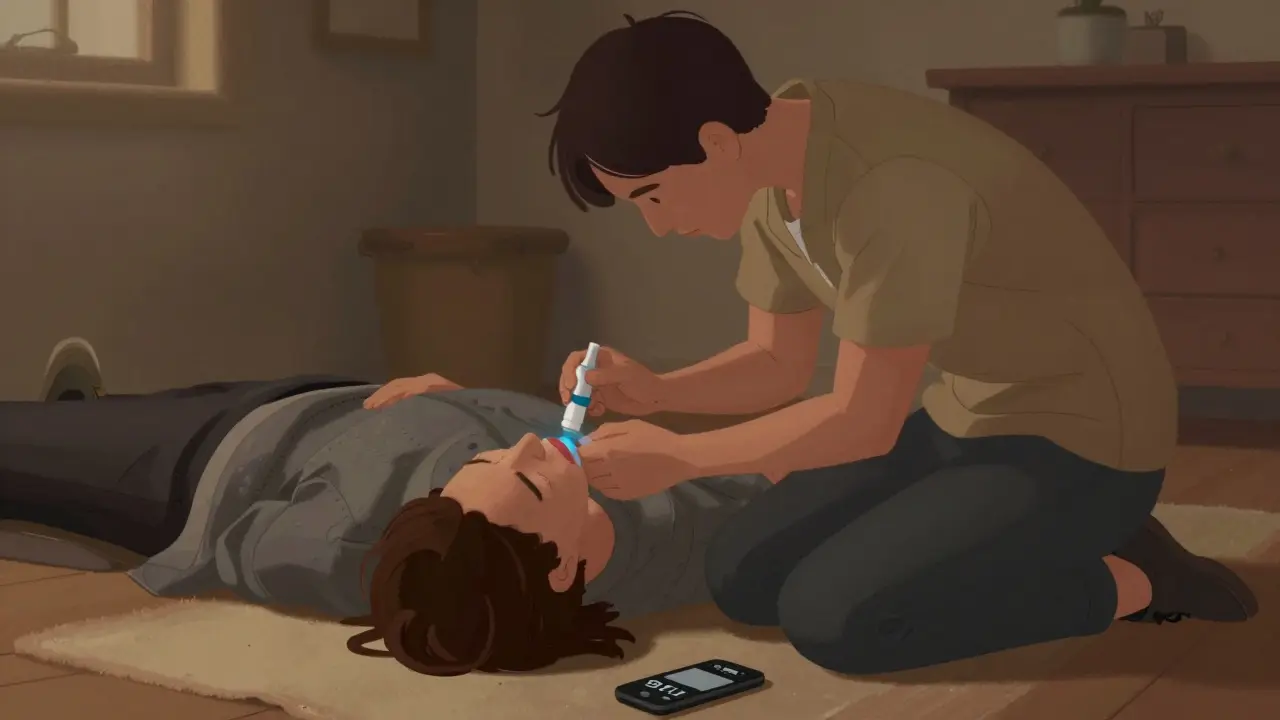
When someone overdoses on opioids, every second counts. Their breathing slows, then stops. Their skin turns blue. They don’t respond to shouts or shakes. This isn’t a movie scene - it’s happening right now, in homes, parks, and alleyways across the country. And the one thing that can bring them back? A simple, easy-to-use nasal spray called naloxone.
What Naloxone Nasal Spray Does - And Doesn’t Do
Naloxone nasal spray, sold under the brand name NARCAN, is not a cure. It doesn’t fix addiction. It doesn’t treat pain. But in the critical minutes after an overdose, it does one vital thing: it kicks opioids out of the brain’s receptors and lets the person breathe again. Within 2 to 5 minutes, you might see their chest rise. Their color returns. They might groan, cough, or even sit up.
It works on all opioids - heroin, fentanyl, oxycodone, morphine, even synthetic ones as deadly as carfentanil. But here’s the catch: it only lasts 30 to 90 minutes. Opioids like fentanyl? They stick around longer. That means the person can slip back into overdose after naloxone wears off. That’s why calling 911 isn’t optional - it’s the first step.
Recognizing an Opioid Overdose
You don’t need to be a doctor to spot this. Look for three clear signs:
- No breathing or very slow breathing - fewer than 12 breaths per minute, or no movement in the chest for 15 seconds.
- Unresponsive - shaking their shoulder, yelling their name, even rubbing their sternum hard with your knuckles won’t wake them.
- Pinpoint pupils - the black center of their eye looks like a tiny dot, even in dim light.
Blue or gray lips and fingernails? That’s another red flag. If you see even two of these, act. Don’t wait for all of them. Don’t assume it’s just someone sleeping it off. People have died waiting for "proof."
Step-by-Step: How to Use Naloxone Nasal Spray
Here’s exactly what to do - no guesswork, no confusion.
- Call 911 immediately. This isn’t optional. Even if you give naloxone, the person still needs emergency help. Say: "Someone has overdosed on opioids. They’re not breathing. I have naloxone." The dispatcher will guide you while you work.
- Position the person on their back. Gently tilt their head back slightly to open the airway. This helps the spray reach deep into the nasal passages and lets their lungs fill more easily.
- Remove the spray from its package. Don’t press the plunger yet. The device is pre-loaded and ready. You’re not assembling anything. Just pull it out - no need to remove caps or twist parts.
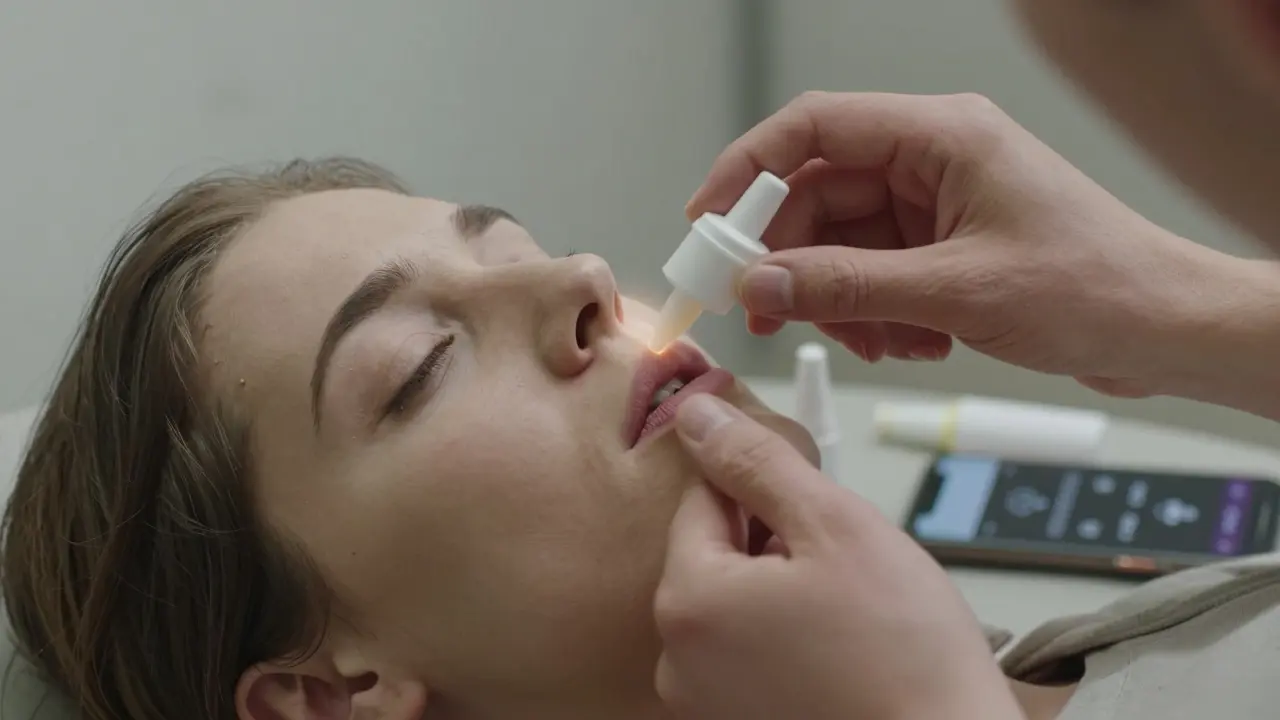
- Insert the nozzle into one nostril. Slide it in until your fingers touch the bottom of their nose. That’s about half an inch to an inch deep. Don’t poke it hard. Just rest it snugly.
- Press the plunger firmly. Push it all the way down until it clicks. You’re giving the full 4 mg dose. Studies show 18% of people don’t press hard enough. Don’t be one of them. Hold the spray in place as you press.
- Remove the device and wait. Watch their chest. If they start breathing normally - 12 to 20 breaths per minute - you’ve done your job. But don’t walk away.
- Check for response in 2 to 3 minutes. If they’re still not breathing, or they start breathing again but then stop, give a second dose. Use the other nostril. You need a new spray. The same device can’t be reused.
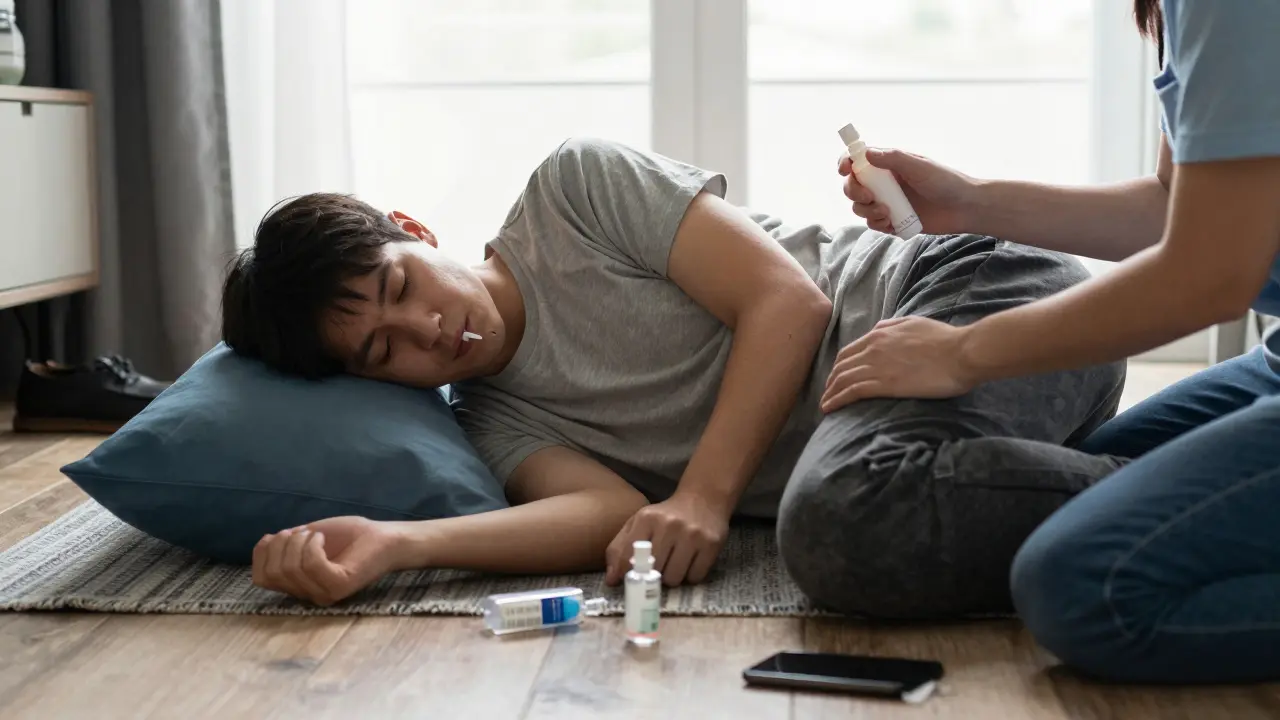
- Place them in the recovery position. If they’re breathing but still unconscious, roll them gently onto their side. Bend their top leg and arm to keep them stable. This stops them from choking if they vomit.
- Stay with them for at least 4 hours. Even if they wake up, they’re not out of danger. Fentanyl and other synthetics can linger. Symptoms can return. Keep monitoring. If they stop breathing again, give another dose.
What to Expect After Giving Naloxone
Some people wake up angry. Others cry, scream, or try to fight. That’s not a bad sign - it means the drug is working. Naloxone pulls opioids out of the brain fast. That can trigger sudden withdrawal. Symptoms like nausea, sweating, shaking, or aggression? Normal. It’s uncomfortable, but it’s not life-threatening.
Don’t let fear of withdrawal stop you. Better to have someone angry and alive than silent and still.
Common Mistakes - And How to Avoid Them
Most people who use naloxone for the first time get it right. But some don’t. Here’s what goes wrong - and how to fix it.
- Waiting too long to call 911. Don’t wait to see if naloxone works. Call before you even open the package.
- Not pressing the plunger all the way. Practice on a training device. Some pharmacies give them out for free. Or watch a 60-second video on YouTube - there are official ones from the CDC.
- Using only one dose. Fentanyl overdoses often need two or three doses. The CDC says 32% of fentanyl cases require more than one spray.
- Leaving after the person wakes up. They may seem fine. But opioids can come back. Stay with them until EMS arrives - or longer.
Where to Get Naloxone Nasal Spray
Since August 2023, you can buy NARCAN Nasal Spray over the counter at any pharmacy - no prescription needed. CVS, Walgreens, Rite Aid, and many independent pharmacies keep it on the shelf. It’s usually near the pain relievers or first aid section.
Two sprays cost about $40 to $70 without insurance. Some states offer free kits through public health programs. Community centers, needle exchange programs, and even some libraries now carry them. If you’re unsure, call your local health department. They’ll tell you where to get one.
Why This Matters - And Why You Should Carry It
In 2022, over 81,000 Americans died from opioid overdoses. Most of those deaths happened at home - not in hospitals. Someone’s brother, friend, neighbor, or coworker could be next. And they might not have anyone nearby who knows what to do.
Carrying naloxone isn’t about judging people who use drugs. It’s about being ready. It’s about knowing that in a moment of crisis, you can be the difference between life and death. You don’t need to be a paramedic. You don’t need to be trained. You just need to have the spray and know these nine steps.
And if you’re worried about cost? Many programs give it away for free. If you’re in a rural area? Ask your local clinic. If you’re a parent? Keep one in your car. If you work in a bar, a shelter, or a grocery store? Ask your employer to stock it.
What Comes Next
There’s a new generation of naloxone on the horizon - longer-lasting, maybe even extended-release versions that could last 12 hours. But right now, the 4 mg nasal spray is what saves lives. And it’s accessible. It’s simple. It’s here.
Don’t wait for someone else to act. Don’t assume "it won’t happen here." Opioid overdoses don’t care about your zip code, your job, or your background. They happen fast. And they happen to people you know.
Get a spray. Keep it in your pocket. Know the steps. And if you ever need to use it? You’ll be the reason someone goes home.
Can naloxone nasal spray be used on anyone, even if I’m not sure they used opioids?
Yes. Naloxone is safe to use even if you’re unsure whether opioids caused the overdose. It has no effect on people who haven’t taken opioids - it won’t harm them. If someone is unresponsive and not breathing, giving naloxone is the right move. The FDA’s over-the-counter labeling explicitly says: "Do not delay administration if opioid overdose is suspected."
How long does naloxone last, and why might I need more than one dose?
Naloxone works for 30 to 90 minutes. But powerful opioids like fentanyl, carfentanil, or synthetic opioids can stay in the body much longer. That means the person can stop breathing again after naloxone wears off. The CDC reports that 32% of fentanyl overdoses require two or more doses. Always be prepared to give a second dose if breathing doesn’t improve within 2 to 3 minutes.
Is naloxone nasal spray effective against fentanyl?
Yes. Naloxone works on fentanyl - but because fentanyl is so potent, it often takes more naloxone to reverse it. A single 4 mg dose may not be enough. You may need two or three doses. Don’t give up after one. Keep administering naloxone every 2 to 3 minutes until emergency help arrives.
Can I use naloxone on a child or teenager?
Yes. Naloxone nasal spray is safe for people of all ages, including children and teens. The dose is the same regardless of age or weight. If a child is unresponsive and not breathing, follow the same steps: call 911, give the spray, and monitor closely. There is no lower age limit for naloxone use in emergencies.
What should I do if the person doesn’t respond to two doses?
Keep trying. If two doses don’t work, continue giving naloxone every 2 to 3 minutes - use a new spray each time. At the same time, start rescue breathing if you’re trained. Pushing air into their lungs manually can keep oxygen flowing until EMS arrives. Never stop trying. Some cases require three, four, or even more doses, especially with ultra-potent opioids.
Does naloxone work on non-opioid overdoses, like alcohol or benzodiazepines?
No. Naloxone only reverses opioid overdoses. It won’t help someone who overdosed on alcohol, Xanax, or other drugs. But if you’re unsure what they took and they’re not breathing, give naloxone anyway. It’s safe, and if opioids are involved, it could save their life. Always call 911 - emergency responders can treat other types of overdoses.
How should I store naloxone nasal spray?
Store it at room temperature - between 68°F and 77°F (20°C to 25°C). Avoid extreme heat or cold. Don’t leave it in a hot car or a freezing glove compartment. It has a shelf life of 24 months. Check the expiration date on the box. If it’s expired, replace it. But if you’re in an emergency and only have an expired spray, use it anyway. It may still work.
Can I use naloxone if the person is lying on their side or stomach?
No. You need to position them on their back with their head tilted back to open the airway. This ensures the spray reaches deep into the nasal passages and works properly. If they’re on their side, gently roll them onto their back before administering the spray. After giving the dose, you can move them to the recovery position if they start breathing.
Is there a risk of overdosing on naloxone itself?
No. Naloxone has no effect on people who haven’t taken opioids. Even if you give multiple doses, it won’t cause overdose or harm. It’s not addictive. It doesn’t make you high. The only side effects are withdrawal symptoms in opioid users - which are uncomfortable but not life-threatening. Giving too much naloxone is not dangerous.
What should I do after the person wakes up?
Stay with them. Even if they seem fine, they’re still at risk of slipping back into overdose. Keep monitoring their breathing for at least 4 hours. Don’t let them leave alone. Encourage them to go to the hospital - even if they refuse naloxone, medical evaluation is critical. Many people who survive an overdose need treatment for addiction. Your support could be the first step toward recovery.
Autumn Frankart
February 10, 2026 AT 20:35Stephon Devereux
February 11, 2026 AT 01:03Neha Motiwala
February 12, 2026 AT 19:03athmaja biju
February 14, 2026 AT 06:43alex clo
February 14, 2026 AT 17:05Alyssa Williams
February 15, 2026 AT 01:48Ernie Simsek
February 15, 2026 AT 11:56Joanne Tan
February 16, 2026 AT 23:57Reggie McIntyre
February 17, 2026 AT 15:28Carla McKinney
February 19, 2026 AT 02:41Ojus Save
February 19, 2026 AT 20:08Kristin Jarecki
February 21, 2026 AT 05:30Jonathan Noe
February 21, 2026 AT 13:52Rachidi Toupé GAGNON
February 23, 2026 AT 06:07