
Opioid Hyperalgesia vs Tolerance Assessment Tool
Assessment Tool
This clinical decision tool helps distinguish opioid-induced hyperalgesia (OIH) from tolerance based on key patient symptoms. Complete the form using the clinical indicators described in the article.
Complete the assessment to see results
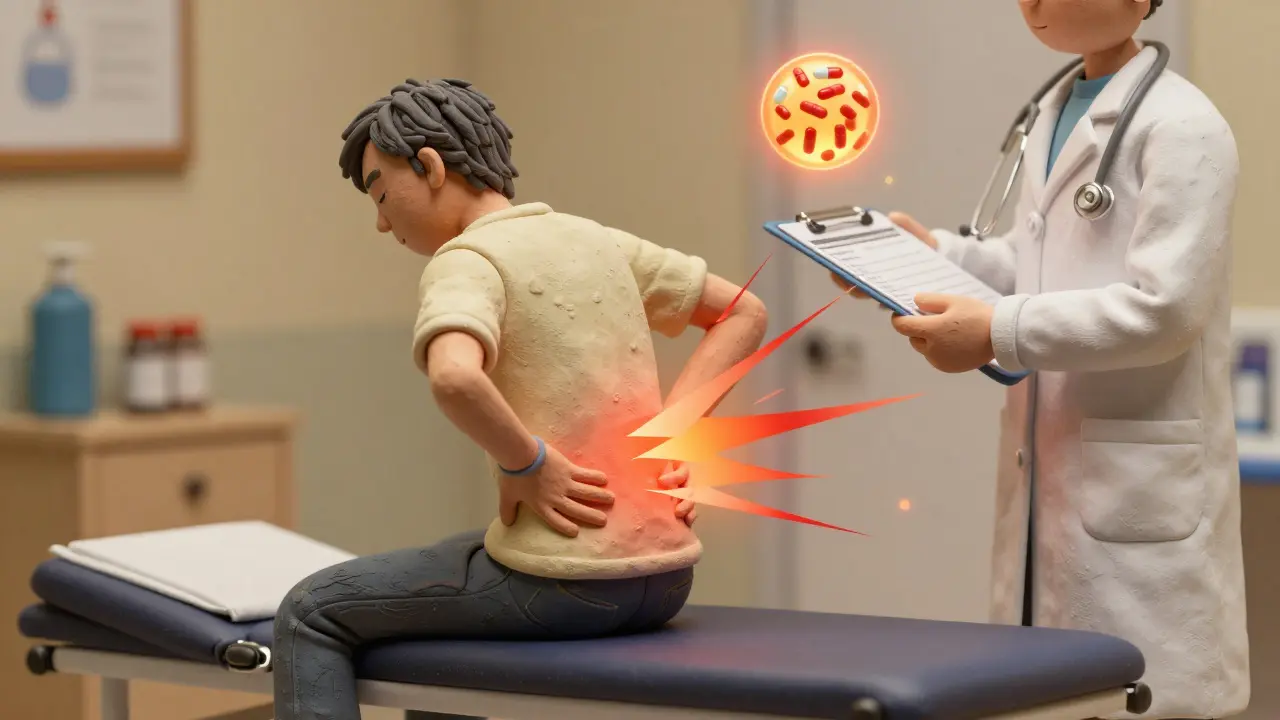
When someone has been on opioids for months or years, and their pain gets worse instead of better, it’s easy to assume they’ve built up a tolerance. But what if it’s not tolerance at all? What if the opioids themselves are making the pain worse? That’s opioid-induced hyperalgesia (OIH) - a real, underdiagnosed condition that turns pain treatment into pain creation.
What Is Opioid-Induced Hyperalgesia?
Opioid-induced hyperalgesia (OIH) is when long-term opioid use makes your nervous system more sensitive to pain. It’s the opposite of what you’d expect. You take opioids to dull pain, but over time, your body starts reacting to even light touches, heat, or pressure as painful. You might feel burning, tingling, or sharp pain in areas that never hurt before. This isn’t your original injury flaring up - it’s a new kind of pain, created by the drugs meant to treat it.Unlike tolerance, which affects how well opioids work overall, OIH specifically boosts pain signals. Preclinical studies show it involves changes in the spinal cord - NMDA receptors get overactive, glial cells trigger inflammation, and natural pain inhibitors like dynorphin go haywire. These aren’t just lab theories. Patients report it. And when doctors reduce or switch opioids, the pain often improves.
How Is It Different from Tolerance?
Tolerance and OIH both mean you need more medication to get the same effect. But the reasons are totally different.Tolerance means your body adapts to opioids across the board. You need higher doses to feel pain relief, but also to avoid withdrawal. The pain you feel stays in the same place, with the same quality. If you increase the dose, the pain usually gets better - at least for a while.
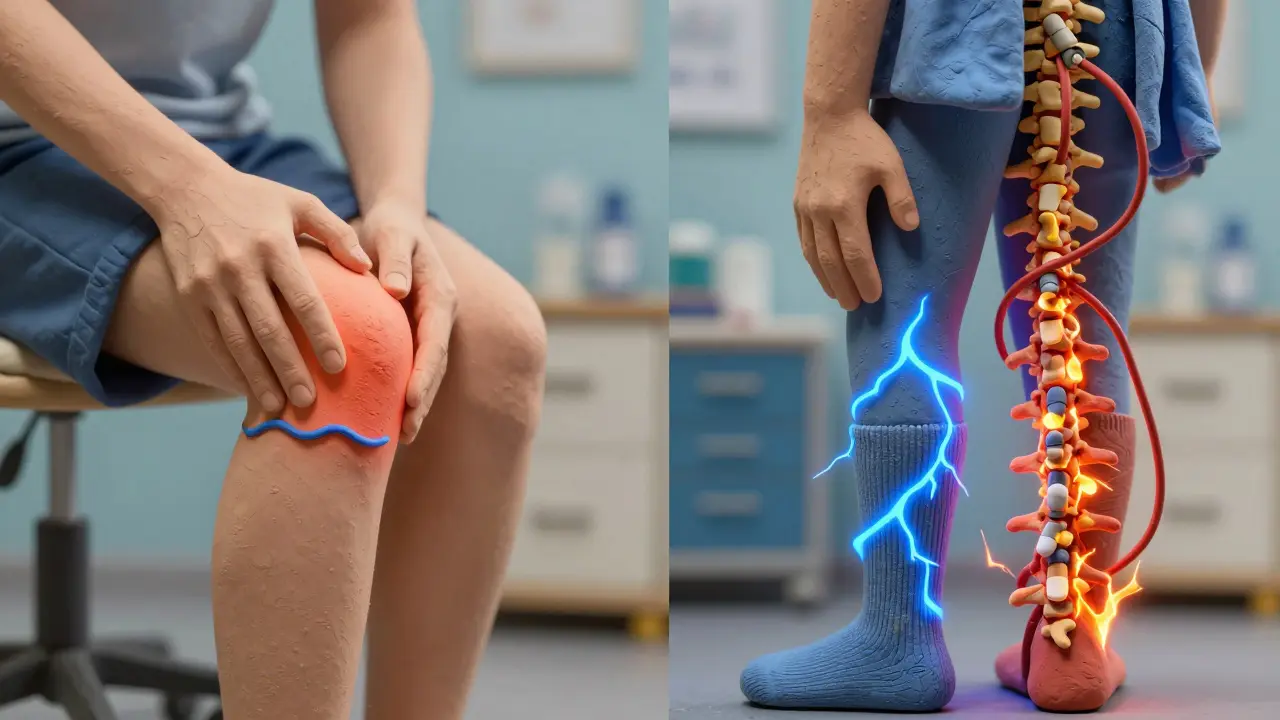
OIH is a paradox. The more you take, the more sensitive you become. Pain spreads - maybe from your lower back to your legs, or from your knee to your ankle. It changes character - sharp, electric, burning - instead of aching or throbbing. You might develop allodynia: light clothing, a breeze, or a bedsheet touching your skin causes pain. And here’s the key: increasing the opioid dose makes it worse, not better.
Think of it this way: tolerance is like turning down a radio because it’s too loud. OIH is like turning up the volume, and now the speakers are cracking. The problem isn’t the signal - it’s the system that’s broken.
Clinical Clues That Point to OIH
Doctors see patients every day who say, “I’m on more opioids than ever, but my pain is worse.” That’s a red flag. Here’s what to look for:- Pain worsening with dose increases - If higher doses don’t help and make things worse, OIH is likely.
- Pain spreading beyond the original site - Pain that used to be localized now covers a wider area.
- New pain qualities - Burning, shooting, or electric pain that wasn’t there before.
- Allodynia - Pain from things that shouldn’t hurt: brushing hair, wearing socks, lying on a bed.
- No improvement with dose escalation - Even after doubling or tripling the opioid dose, pain keeps climbing.
- Pain persists during stable dosing - Not just when doses are changed or tapered. It’s happening even when you’re not going through withdrawal.
One real-world example: a 58-year-old man with chronic low back pain started on oxycodone. After two years, his dose went from 20 mg to 120 mg daily. His pain didn’t improve - it spread to his hips and thighs. He started feeling pain from his pants’ seams. He wasn’t withdrawing. He wasn’t depressed. His MRI showed no new damage. His pain was being fueled by the very drug he was taking.
Why Is OIH So Often Mistaken for Tolerance?
Because they look similar on paper. Both involve higher doses and persistent pain. Most clinicians are trained to think: “More pain? Must need more opioids.” That’s the default assumption. But that assumption can trap patients in a cycle.Studies show OIH is often misdiagnosed as disease progression, nerve damage, or psychological factors. A 2021 Medsafe alert warned prescribers that OIH is frequently overlooked, leading to dangerous dose escalations. The problem? There’s no single blood test or scan for it. Diagnosis relies on pattern recognition - a careful history, pain mapping, and tracking how pain responds to dose changes.
That’s why tools like pain drawings, daily pain diaries, and quantitative sensory testing (QST) matter. QST checks how the body responds to controlled heat, cold, or pressure. If a patient feels pain at lower thresholds than before, it’s a sign their nervous system is sensitized - a hallmark of OIH.
What Happens When You Misdiagnose OIH as Tolerance?
You make it worse.Continuing to increase opioids in someone with OIH can lead to:
- Severe, widespread pain that becomes disabling
- Increased risk of dependence and addiction
- Higher hospitalization rates and longer stays
- Reduced quality of life and increased depression
One study linked opioid-tolerant patients with poor pain control to significantly longer hospital stays and higher readmission rates. When the real issue is OIH, escalating opioids isn’t just ineffective - it’s harmful.
How to Manage Opioid-Induced Hyperalgesia
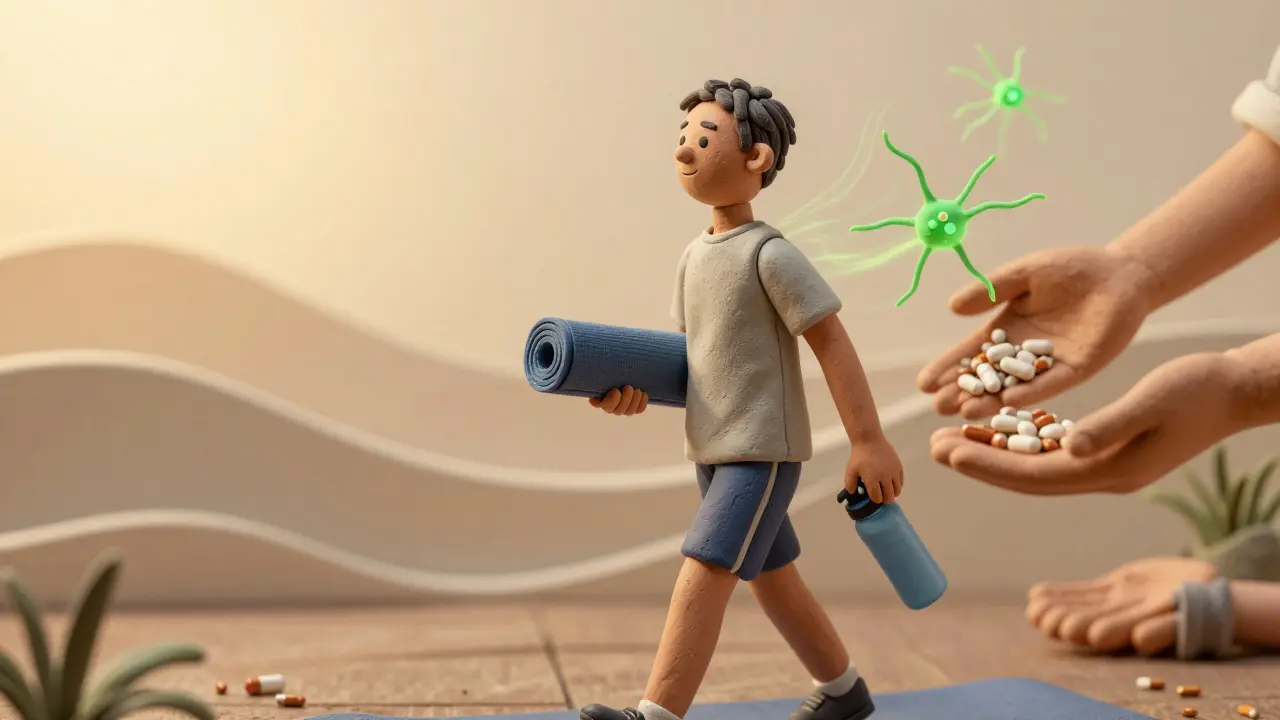
The good news? OIH often improves when you change course.Here’s what works:
- Reduce the opioid dose gradually - Even a 20-30% reduction can lead to noticeable pain improvement within weeks. This isn’t withdrawal - it’s calming down an overactive nervous system.
- Switch to a different opioid - Some opioids, like methadone or buprenorphine, have NMDA-blocking effects. Switching can reset the system.
- Add an NMDA antagonist - Low-dose ketamine or dextromethorphan can block the pain-sensitizing pathways. These aren’t magic bullets, but they’ve helped many patients stabilize.
- Use non-opioid pain relievers - Gabapentin, pregabalin, duloxetine, and NSAIDs can target different pain pathways without worsening hyperalgesia.
- Introduce non-drug therapies - Physical therapy, cognitive behavioral therapy, and mindfulness-based stress reduction help retrain the brain’s pain response.
In one case, a patient on 180 mg of oxycodone daily had her pain drop by 60% after switching to buprenorphine and adding low-dose ketamine. She stopped needing emergency visits. She started sleeping again. She didn’t need more opioids - she needed fewer.
Why This Matters Now More Than Ever
In 2021, New Zealand’s opioid dispensing rate dropped from 1.07 to 0.89 defined daily doses per 1,000 people - a sign that prescribers are getting smarter. Regulatory bodies like Medsafe, the FDA, and EMA now warn against long-term opioid use for chronic non-cancer pain. Why? Because the risks - including OIH - outweigh the benefits for most patients.Guidelines from the American Pain Society and others now prioritize multimodal approaches: physical therapy, psychological support, and non-opioid meds before opioids. And for those already on opioids? Regular screening for OIH should be standard.
The future of pain management isn’t more pills. It’s better understanding. It’s recognizing when the cure is making the disease worse.
Frequently Asked Questions
Can you have both opioid tolerance and opioid hyperalgesia at the same time?
Yes, it’s possible - and common. Many patients on long-term opioids develop tolerance to the pain-relieving effects while also developing heightened pain sensitivity from OIH. This creates a confusing clinical picture where the patient needs more drug to feel relief (tolerance) but the extra drug makes the pain worse (OIH). The key is to look for signs of spreading pain, allodynia, or worsening pain despite dose increases - these point to OIH being present alongside tolerance.
Does OIH go away if I stop opioids?
In most cases, yes - but not always quickly. Pain sensitivity often improves over weeks to months after reducing or stopping opioids. Some patients notice relief within a few weeks of a gradual taper. Others may take several months for their nervous system to reset. Complete resolution is common, especially when combined with non-opioid treatments like physical therapy or cognitive behavioral therapy. The longer someone has been on high-dose opioids, the longer recovery may take.
Is OIH the same as addiction?
No. Addiction involves compulsive drug use despite harm, cravings, and loss of control. OIH is a physiological change in pain processing - it’s not about wanting the drug, it’s about the drug changing how your body feels pain. A patient can have OIH without being addicted, and vice versa. Confusing the two leads to stigma and poor care. Treating OIH requires adjusting pain management, not punishment or judgment.
Can OIH happen with short-term opioid use?
It’s rare. OIH typically develops after weeks to months of continuous opioid exposure. Most cases occur in patients on daily opioids for three months or longer. Short-term use after surgery or injury doesn’t usually cause OIH. That’s why it’s primarily a concern in chronic pain management, not acute care.
Are there any tests to confirm OIH?
There’s no single diagnostic test, but clinicians use a combination of tools. Pain mapping (drawing where pain is), quantitative sensory testing (measuring response to heat, cold, pressure), and tracking dose-pain relationships over time are the most reliable. A patient who reports worsening pain with higher doses, spreading pain, or allodynia, especially without new injury or disease, strongly suggests OIH. Research is ongoing to find biomarkers, but for now, clinical pattern recognition is key.
Henry Jenkins
January 27, 2026 AT 18:03I’ve seen this play out with my uncle-he was on oxycodone for 5 years after a back surgery. Pain got worse, spread to his legs, started complaining about his socks hurting. Doctors kept upping the dose. He nearly OD’d before someone finally asked if he’d ever heard of OIH. Turned out, he wasn’t addicted-he was being poisoned by his own meds. Reducing his dose by 30% in 6 weeks? His pain dropped like a rock. No magic pill. Just listening to the body when it screams. Why isn’t this taught in med school? It’s not rare. It’s systemic.
And don’t get me started on how insurance won’t cover ketamine or QST because it’s ‘experimental.’ We’re gambling with people’s lives because of bureaucracy, not science.
Dan Nichols
January 27, 2026 AT 22:38Renia Pyles
January 29, 2026 AT 14:45Karen Droege
January 29, 2026 AT 21:24Okay let me tell you something that’s not in the textbooks: OIH doesn’t just live in the spine-it lives in the soul. I’ve worked with chronic pain patients for 17 years. I’ve seen the hollow eyes, the trembling hands, the way they flinch at a handshake. This isn’t ‘tolerance.’ This is a nervous system that’s been hijacked by pharmaceutical promises. And the worst part? Nobody wants to take responsibility.
Switching to methadone? Brilliant. But only if you pair it with physical therapy, trauma-informed CBT, and a damn good therapist who doesn’t roll their eyes when you say ‘I feel like my skin is on fire.’
And if you’re a provider reading this-stop thinking in doses. Start thinking in stories. Pain isn’t a number on a scale. It’s a person screaming into a void that keeps handing them more pills. We need to stop treating symptoms and start healing systems. That’s not medicine. That’s humanity.
Napoleon Huere
January 31, 2026 AT 07:10What if pain isn’t a problem to be solved but a signal to be understood? Opioids don’t heal-they silence. And silence, when prolonged, doesn’t bring peace. It brings distortion. The body doesn’t lie. It just gets louder when ignored.
OIH isn’t an exception-it’s an indictment. It reveals a medical system that equates control with care. We numb, we don’t nurture. We prescribe, we don’t listen. The fact that this condition exists at all tells us something terrifying: we’ve outsourced healing to chemistry while abandoning biology. The nervous system didn’t break because of trauma or injury. It broke because we treated it like a machine that needed more fuel, not like a living, breathing, screaming organism.
Maybe the real cure isn’t less opioid. Maybe it’s more presence. More patience. More humility. We’ve been treating pain like a math problem. It’s not. It’s a symphony. And we’ve been playing the wrong instrument.
Aishah Bango
February 2, 2026 AT 04:06Peter Sharplin
February 3, 2026 AT 11:18I’ve been a nurse in pain management for 22 years. I’ve seen OIH in action. I’ve watched patients go from walking with a cane to crying because their sheets hurt. And I’ve seen the flip side-when you gently taper and add gabapentin and PT, they start sleeping again. They laugh. They hug their grandkids.
But here’s the thing nobody says: the hardest part isn’t the taper. It’s the guilt. Patients feel like failures. Like they ‘didn’t try hard enough.’ But the truth? They were failed by a system that told them more was better.
If you’re reading this and you’re on high-dose opioids and your pain is worse-please don’t give up. It’s not you. It’s the protocol. And there’s hope. I’ve seen it. Not always fast. Not always easy. But real.
shivam utkresth
February 4, 2026 AT 07:45John Wippler
February 5, 2026 AT 22:55You know what’s wild? The fact that we’re still debating this in 2025. We’ve had animal studies on OIH since the 90s. We’ve had patient case reports since the 80s. We’ve had guidelines since 2016. Yet here we are-still treating pain like a volume knob instead of a broken alarm system.
Here’s the truth: opioids don’t cause pain. But they can hijack your body’s natural pain modulation system. And once that’s broken? It doesn’t fix itself overnight. But it *can* fix itself-if you stop pouring gasoline on the fire.
To anyone reading this feeling trapped: you’re not weak. You’re not broken. You’re just caught in a system that mistakes quantity for quality. The path out isn’t about willpower. It’s about strategy. Taper. Swap. Add. Move. Breathe. Repeat. One day at a time. I’ve walked this road with dozens. You’re not alone. And you’re not failing. You’re healing.
Faisal Mohamed
February 6, 2026 AT 02:26Josh josh
February 7, 2026 AT 22:43bella nash
February 8, 2026 AT 13:08SWAPNIL SIDAM
February 10, 2026 AT 00:22Geoff Miskinis
February 11, 2026 AT 22:20Sally Dalton
February 13, 2026 AT 13:50