
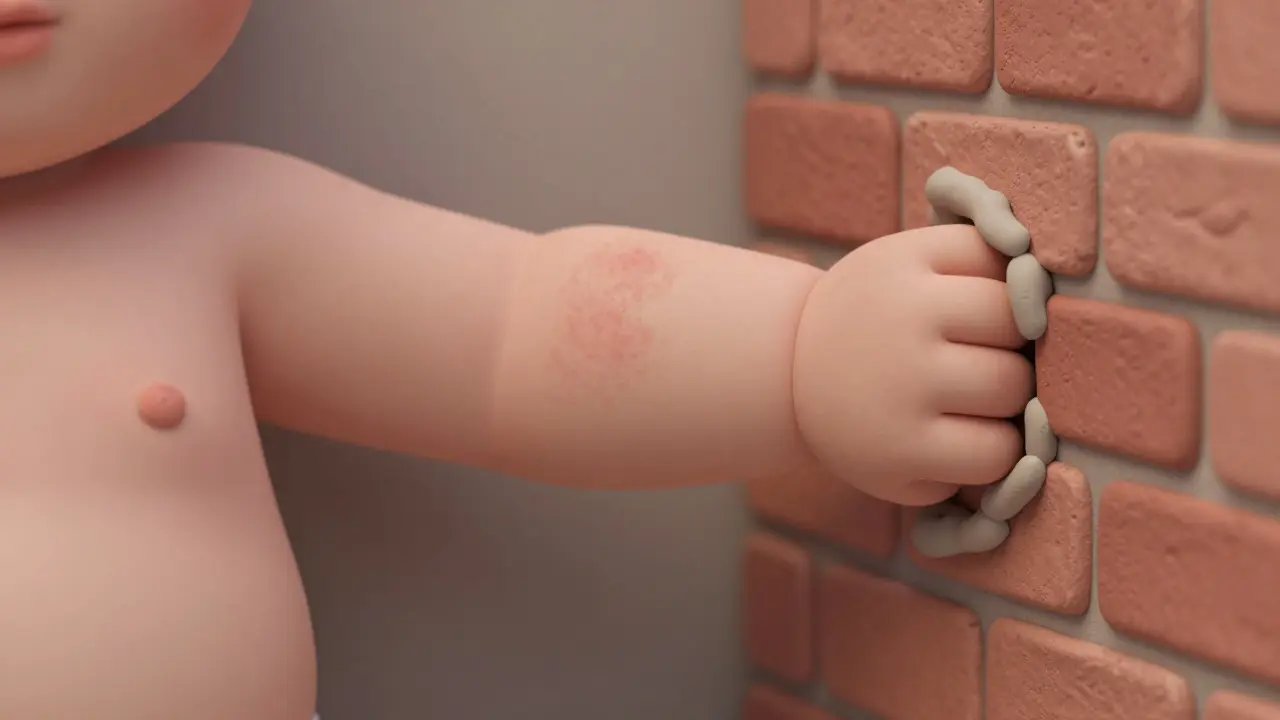
For many parents, a baby's first health diagnosis isn't a broken bone or a cold-it is a dry, itchy rash. This condition, known as Atopic Dermatitis, often gets dismissed as a passing phase. However, recent medical evidence suggests this skin issue might actually be the opening signal of a much larger pattern of immune development. This pattern is what researchers call the atopic march. While it sounds dramatic, understanding this progression isn't about fear-mongering; it is about identifying a critical window of opportunity to protect your child's immune system.
The Reality of the Atopic March
You have likely heard the term "allergic march" in doctor's offices or parenting forums. It refers to the typical sequence where one allergic condition leads to another over time. Historically, experts believed this was a linear highway: a child gets eczema first, then moves on to food allergies, followed by hay fever (allergic rhinitis), and finally asthma. But the landscape of allergy research has shifted significantly in recent years.
Data from large cohort studies, such as the TOACS trial, reveals a more complex picture. Only about 25% of children with eczema actually go on to develop asthma. Even fewer-approximately 3.1%-follow the exact textbook linear path. Instead of a strict parade, modern immunology prefers the term atopic multimorbidity. This means these conditions tend to cluster together rather than marching in single file.
| Initial Condition | Potential Next Steps | Risk Factor Association |
|---|---|---|
| Infantile Eczema | Food Sensitization, Allergic Rhinitis | Skin Barrier Defects |
| Food Allergy | Asthma, Rhinitis | Gut Microbiome Imbalance |
| Allergic Rhinitis | Asthma | Inflammatory Pathways (IL-33, TSLP) |
This shift in understanding matters immensely for parents. If you know the risks aren't inevitable, you can focus your energy on modifying risk factors rather than waiting anxiously for the next diagnosis. The severity of the initial skin condition is the strongest predictor we have. Children with severe atopic dermatitis have a significantly higher chance of developing secondary allergies compared to those with mild cases.
The Role of the Skin Barrier
Why does eczema seem to kick-start this cascade? To answer that, you need to look at the physics of the skin itself. Your skin acts as a fortress wall, keeping the outside world out. In people prone to allergies, this wall has holes in it. We are talking about microscopic defects, not large open wounds.
A key player here is a protein called Filaggrin. Think of filaggrin as the mortar holding your skin bricks together. Genetic mutations affecting this protein are found in up to 50% of people with moderate-to-severe eczema. When filaggrin doesn't work correctly, the epidermal layer becomes permeable. Environmental triggers like pollen, dust mites, and even food proteins sitting on the surface can slip through the cracks.
Once these allergens breach the barrier, the immune system goes into alarm mode. This leads to inflammation. Interestingly, having the gene mutation alone isn't always enough to cause disease; it requires the presence of active eczema to increase the risk of food or airborne allergies. This interaction between genetics and environment highlights why treating the skin itself is considered preventive medicine.

Dual-Allergen Exposure: Food and Skin
One of the most fascinating theories emerging from this field is the Dual-Allergen Exposure Hypothesis. For decades, advice centered on avoiding allergenic foods during infancy. Recent landmark trials, specifically the LEAP study, flipped this logic entirely. The LEAP study investigated peanut allergy in high-risk infants with severe eczema.
Here is what they found: Infants whose skin barriers were compromised and exposed to peanut residues became sensitized-they developed an allergic response. However, infants who ate peanut protein orally (swallowed) regularly maintained tolerance. Essentially, the body learns to ignore food when it enters through the gut, but treats it as an invader when it sneaks through broken skin.
This has profound implications for families. It suggests that repairing the skin barrier in infancy is crucial. If the skin remains intact, oral introduction of foods like eggs, dairy, or nuts helps train the immune system properly. Conversely, cracked skin serves as a gateway for sensitization before the child even eats the food. Current guidelines now favor early oral introduction combined with aggressive skin repair to support tolerance.
Targeted Interventions for High-Risk Families
Knowing the mechanics allows for precise action. You don't need to panic about every potential allergen in the house, but you do need a strategy for skin maintenance. Proactive emollient therapy has shown promise in clinical trials. For instance, the PreventADALL trial explored whether applying moisturizers to healthy newborn skin could reduce the incidence of eczema.
- Identify Early Signs: Dry skin in an infant is often the precursor to full-blown atopic dermatitis. Treat dry patches immediately.
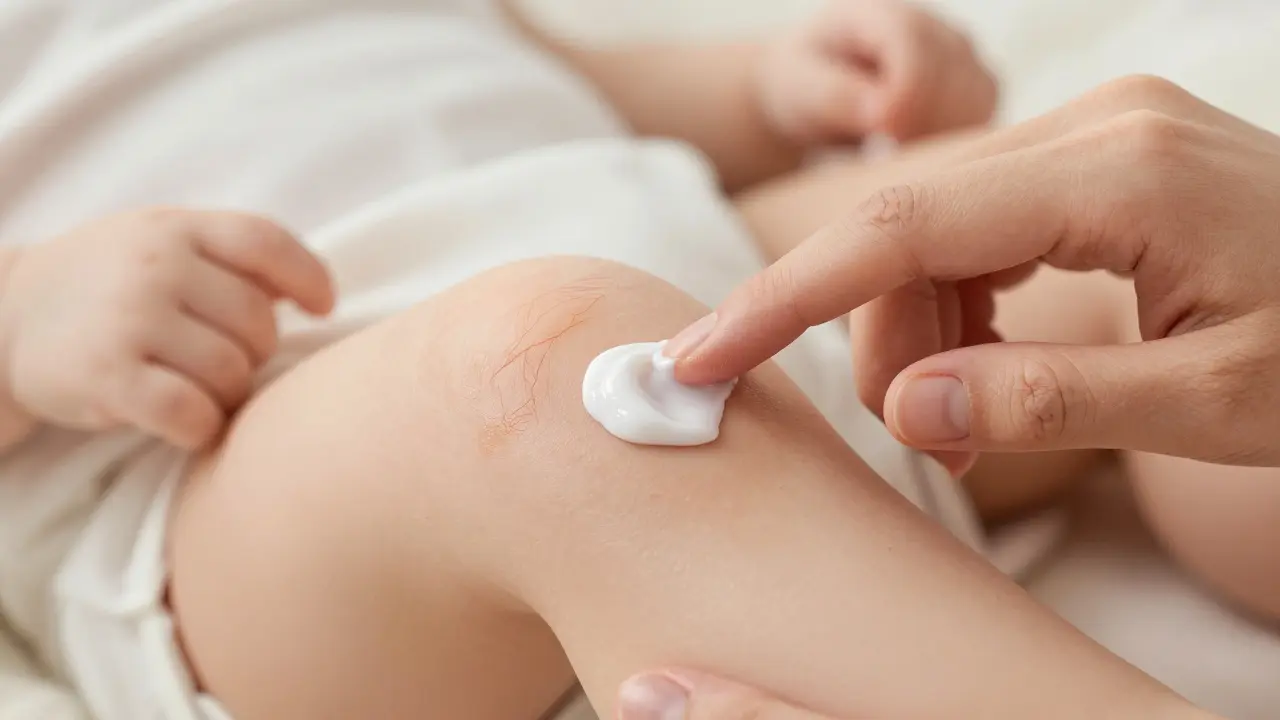
- Barrier Repair: Use thick ointments or creams containing ceramides to plug those microscopic gaps in the skin barrier.
- Inflammation Control: Severe itching needs treatment (like topical corticosteroids) to stop the cycle of scratching, which further damages the barrier.
- Dietary Approach: Consult a pediatrician regarding early allergen introduction rather than strict avoidance diets.
Furthermore, the gut microbiome plays a supportive role. Studies from the BAMSE cohort indicated that infants with altered gut bacteria had reduced ability to ferment butyrate, a compound linked to immune regulation. While we cannot yet manipulate the gut flora perfectly in infants, maintaining a balanced diet supports this system alongside skin care.
Navigating Clinical Advice and Testing
A final, often overlooked aspect of this topic is the distinction between sensitization and clinical allergy. About 80% of children with eczema test positive for allergens on blood or skin prick tests, meaning they have antibodies ready to fight. However, a much smaller percentage actually experience reactions like hives or breathing trouble.
Clinicians emphasize identifying the 25% of children truly at risk for progression, rather than assuming everyone will march toward asthma. This precision helps avoid unnecessary anxiety and restrictions. For example, avoiding all dairy because of a positive skin test when the child tolerates milk fine can lead to nutritional deficits without benefiting the allergy outcome.
Frequently Asked Questions
Does every child with eczema develop other allergies?
No, only about 25% of children with eczema progress to asthma or other respiratory allergies. The traditional view of a guaranteed "march" is being replaced by the idea that these conditions often coexist but are not strictly sequential.
What is the best way to protect a baby's skin barrier?
Daily application of thick emollients, especially after bathing, helps seal cracks in the skin. Preventing water loss is critical for maintaining the barrier integrity and reducing the entry of environmental allergens.
Should I avoid giving my baby peanut butter if they have eczema?
Avoidance is no longer recommended for most children. Current guidelines suggest early oral introduction can promote tolerance, particularly because oral exposure is different from exposure through broken skin. Always consult your pediatrician.
How do I know if my child is sensitized versus allergic?
Sensitization is confirmed by positive IgE tests, while true allergy requires a clinical reaction upon exposure. Many children have antibodies (sensitized) but no symptoms. A specialist can perform supervised challenges to confirm.
Can treating eczema prevent asthma later?
Aggressively treating severe eczema reduces the overall inflammatory burden. While we cannot guarantee the prevention of asthma, effective control of skin symptoms minimizes the risk factors associated with the atopic march progression.
Ultimately, the conversation around the atopic march has evolved from fatalism to precision. By focusing on the immediate biology-the skin barrier and early immune training-we equip families with actionable steps rather than vague predictions. With careful attention to skin hydration and appropriate dietary exposure, you can navigate this developmental stage effectively.
Goodwin Colangelo
April 3, 2026 AT 04:02The shift from avoidance to acceptance in dietary management is genuinely promising for high risk infants. Many families feel overwhelmed by conflicting advice from different pediatric sources online. Consistency in skin care routines yields better outcomes than sporadic treatments during flare ups alone. Recognizing the cluster of conditions helps prepare families for potential future health challenges realistically.
Will Baker
April 4, 2026 AT 07:04Of course it is the parents fault again when the baby gets sick due to genetics nobody talks about how hard it actually is to keep a newborn skin perfect twenty four seven.
Dee McDonald
April 5, 2026 AT 16:03It really hits home when you look at the data presented here regarding skin barriers.
We often think allergies are random events but the biology suggests a clear pathway.
Parents need to stop waiting and start applying thick creams immediately after every bath.
The idea that dry skin is just a phase ignores the structural damage happening underneath.
Filaggrin isn't just a word on a page but a crucial protein holding your child safe.
Ignoring those cracks in the skin lets allergens enter the bloodstream too easily.
We have seen enough children struggle because we waited too long to treat the rashes.
Oral introduction works best when the gut handles the food instead of the compromised skin.
It is time we take the LEAP study findings seriously without hesitation.
Every family dealing with eczema should read this table about condition progression paths.
Prevention is far better than trying to fix asthma once it starts showing up.
You cannot argue against the science showing higher risks with severe dermatitis.
Moisturizers are not makeup but actual medicine for the epidermal layer.
Stop fearing peanut butter if the pediatrician gives the go-ahead for early eating.
Trust the medical guidelines that prioritize fixing the skin fortress before anything else.
This approach saves so much trouble down the road for everyone involved.
Joseph Rutakangwa
April 7, 2026 AT 07:06Daily emollients make a significant difference.
Divine Manna
April 7, 2026 AT 19:07The distinction between sensitization and clinical allergy is frequently misunderstood by the general public yet remains critical for accurate diagnosis.
While antibodies may be present in the blood they do not invariably manifest as an adverse reaction upon exposure to the trigger agent.
It is imperative to understand that genetics load the gun while environment pulls the trigger in these complex immunological pathways.
Parents should seek professional guidance rather than relying on internet anecdotes that lack rigorous empirical validation.
The proposed timeline of intervention suggests a proactive stance which aligns with modern therapeutic principles.
Beth LeCours
April 7, 2026 AT 23:11This sounds way too hard to do every day. I just want my kid to be healthy without buying ten jars of cream. Seems like too much work for a regular rash issue.
Sam Hayes
April 9, 2026 AT 09:33I remember my nephew had bad rashes around six months and his doctor said exactly this thing about the barrier being broken we kept using ceramides nonstop and honestly he never got the hay fever later which was such a relief seeing him run around outside without issues
Sakshi Mahant
April 11, 2026 AT 03:02Certain approaches to skincare vary greatly across different cultures but the core principle of barrier protection remains universal.
Integrating traditional remedies alongside modern medicine could offer valuable insights for diverse families.
We must respect individual comfort levels while ensuring safety standards are met for vulnerable infants.
Collaboration between caregivers and specialists ensures the best possible outcome for the child.