
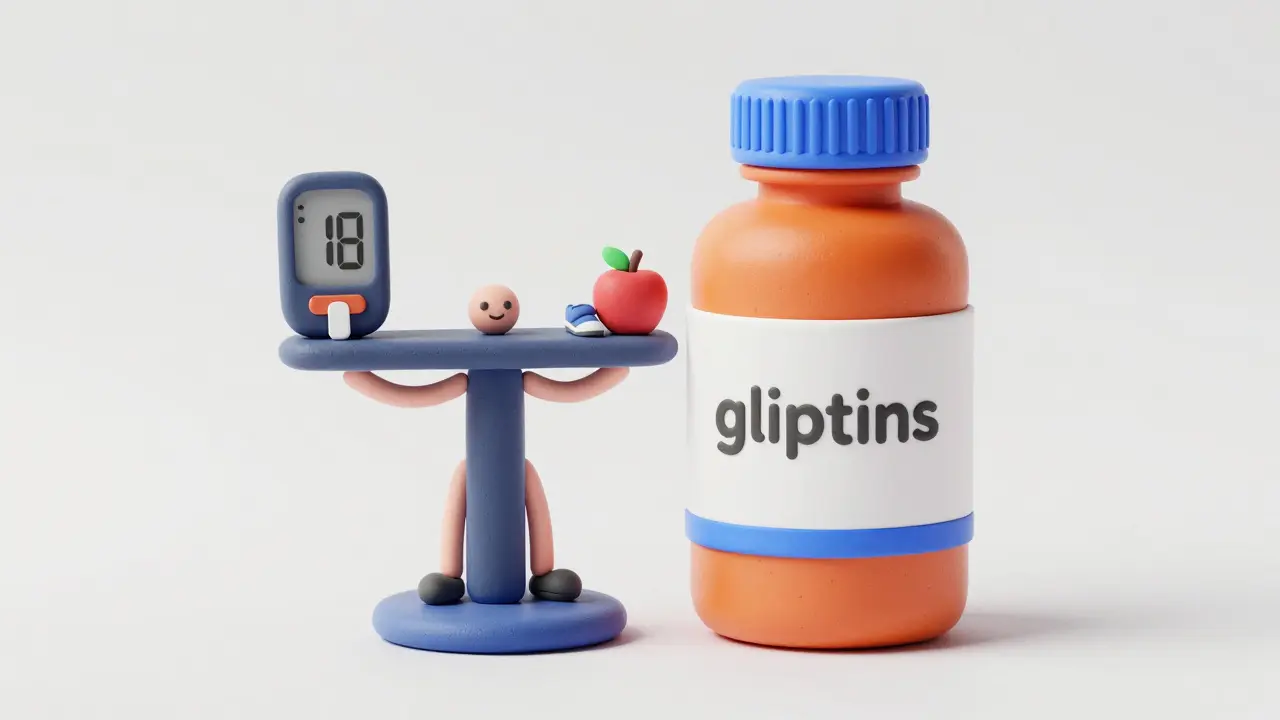
Dealing with type 2 diabetes usually involves a balancing act of medications, lifestyle changes, and constant monitoring. For many, DPP-4 inhibitors is a class of oral antidiabetic medications, often called "gliptins," that help the body produce more insulin and lower glucagon levels. While they are generally praised for not causing weight gain or dangerous blood sugar drops, there is a specific safety concern that every patient and caregiver should know about: the risk of acute pancreatitis.
If you are taking these drugs, you might wonder if the risk is actually significant or just a rare legal disclaimer on a pill bottle. The short answer is that while the risk is real and scientifically documented, it remains very low for the vast majority of people. However, knowing how to spot the warning signs can make a huge difference in how quickly you get help.
The Real Numbers: How Common is Pancreatitis?
When we talk about DPP-4 inhibitors, we aren't guessing. Data from major sources, including a 2019 meta-analysis involving over 47,000 patients, shows that these medications increase the risk of acute pancreatitis by about 75%. That sounds scary, but let's look at the absolute numbers to get some perspective. In a study published in Diabetes Care, the absolute increased risk was estimated at only 0.13%. This means we're talking about one to two additional cases for every 1,000 patients treated over a two-year period.
The UK's MHRA (Medicines and Healthcare products Regulatory Agency) has noted that reporting rates generally fall between 1 in 1,000 and 1 in 100 patients. To put this in context, diabetes itself actually increases your baseline risk for pancreatitis, regardless of the medication you take. This makes it tricky for doctors to tell if the drug caused the inflammation or if it was just a complication of the diabetes.
Which Gliptins are Involved?
This risk isn't tied to just one specific brand; it's a class-wide effect. Whether you are on the most common option or a less frequent prescription, the potential for pancreatic inflammation exists. Some of the most widely used medications in this group include:
- Sitagliptin (known by the brand name Januvia)
- Saxagliptin (Onglyza)
- Linagliptin (Tradjenta)
- Alogliptin (Nesina or Vipidia)
Interestingly, while most of the data comes from post-marketing reports (people reporting issues after the drug was already on the market), Linagliptin showed a small increase in cases even during its clinical development phase. Regardless of the specific drug, the FDA required updated safety labeling across the entire class back in 2013 to ensure patients were warned.
| Medication Class | Pancreatitis Risk Level | Reporting Odds Ratio (ROR) | Primary Concern |
|---|---|---|---|
| DPP-4 Inhibitors | Moderate/Rare | 13.2 | Acute inflammation |
| GLP-1 Receptor Agonists | Moderate/Rare | 9.65 | Acute inflammation |
| SGLT2 Inhibitors | Low | Significantly Lower | Generally lower risk |
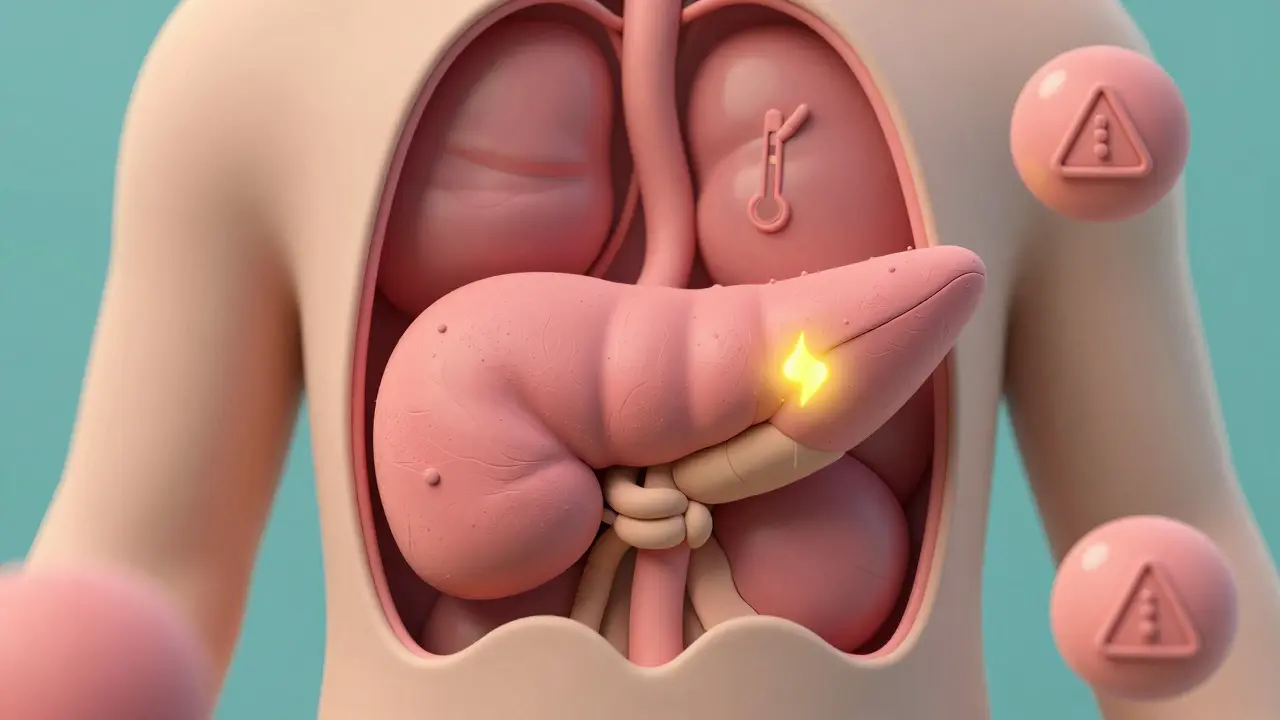
Spotting the Warning Signs
Since the absolute risk is low, you don't need to panic every time your stomach hurts. However, pancreatitis has a very specific set of symptoms that you should never ignore. The hallmark of acute pancreatitis is severe, persistent abdominal pain. This pain often feels like it is "boring" through your body, frequently radiating from the upper abdomen directly to your back.
If you experience this, you might also notice:
- Nausea and vomiting that doesn't go away with standard over-the-counter meds.
- A fever or chills.
- A rapid heart rate (tachycardia).
- Tenderness when touching the abdominal area.
If you're on a gliptin and feel these symptoms, the standard medical advice is to stop the medication immediately and call your doctor. In most cases, the inflammation resolves once the drug is discontinued, but about 17.7% of these reports are associated with serious events that require hospitalization.
Are There Other Serious Side Effects?
For most people, gliptins are very well-tolerated. You're more likely to deal with a mild headache or a stuffy nose (nasopharyngitis) than anything severe. One of the biggest reasons doctors still prescribe them-despite the pancreatitis risk-is that they don't typically cause hypoglycemia (dangerously low blood sugar) and they don't make you gain weight.
There was a period of intense debate regarding whether these drugs caused pancreatic cancer. However, a large meta-analysis of 11 studies involving over 55,000 patients concluded that neither DPP-4 inhibitors nor GLP-1 receptor agonists significantly increase the risk of pancreatic cancer. So, while the risk of acute inflammation is there, the risk of cancer does not appear to be higher than in the general diabetic population.

Who is Most at Risk?
Not everyone has the same risk level. Your doctor should look at your overall health profile before starting a DPP-4 inhibitor. You might be at a higher risk if you already have a history of pancreatic issues or other factors that stress the pancreas, such as:
- Gallstones: These can block the pancreatic duct and trigger inflammation.
- Alcohol Use: Long-term heavy drinking can weaken the pancreas.
- Hypertriglyceridemia: Very high levels of fats (triglycerides) in the blood are a known trigger for pancreatitis.
Because of these overlaps, doctors often recommend an abdominal ultrasound for patients showing even mild gastrointestinal symptoms. This helps them rule out gallstones, which are a much more common cause of pancreatitis than the medication itself.
The Bottom Line on Clinical Management
If you are currently taking a DPP-4 inhibitor, the best thing you can do is stay informed. The benefits of stable blood sugar and cardiovascular safety often outweigh the rare risk of pancreatitis. But the key is vigilance. If you develop severe abdominal pain, don't "wait and see" if it goes away.
Medical professionals are encouraged to use specific diagnostic tools when pancreatitis is suspected, such as measuring pancreatic enzymes (lipase and amylase) in the blood. If you suspect your medication is causing a reaction, ensure your doctor reports it to the FDA's Adverse Event Reporting System or the UK's Yellow Card scheme. This real-world data is the only way scientists can continue to refine these drugs and possibly find genetic markers to predict who is most at risk.
Do I need to stop taking my DPP-4 inhibitor immediately if I feel a stomach ache?
Not for every stomach ache. Mild indigestion is common. However, if you experience severe, persistent pain in the upper abdomen that spreads to your back, you should contact your doctor immediately and likely discontinue the medication until a diagnosis is made.
Is one specific "gliptin" safer than the others regarding pancreatitis?
The risk is considered a class-wide effect, meaning it applies to sitagliptin, saxagliptin, alogliptin, and linagliptin. While some individual trials showed slight differences, regulatory agencies like the FDA and EMA apply the pancreatitis warning to all medications in this class.
Can DPP-4 inhibitors cause pancreatic cancer?
Current evidence suggests they do not. Large-scale meta-analyses of over 55,000 patients have found no significant link between the use of these medications and an increased risk of pancreatic cancer, although they do increase the risk of acute inflammation (pancreatitis).
What are the most common side effects if not pancreatitis?
Most patients find these drugs very well-tolerated. The most frequently reported side effects are mild, such as headaches and nasopharyngitis (inflammation of the nasal passages and throat).
How does the risk compare to other diabetes drugs like GLP-1s?
Both DPP-4 inhibitors and GLP-1 receptor agonists have been associated with pancreatitis. However, some studies suggest that DPP-4 inhibitors have a higher reporting odds ratio (ROR) for this specific side effect compared to GLP-1s and SGLT2 inhibitors.