

Quick Summary
- The Core Problem: Eczema starts with a broken skin barrier (often due to filaggrin deficiency), not just inflammation.
- The Solution: Use "physiologic lipid" creams containing ceramides, cholesterol, and fatty acids in a 1:1:1 ratio.
- Timing Matters: Apply moisturizers within 3 minutes of bathing to lock in hydration.
- Expectations: Consistent repair therapy can reduce flare frequency by 40-60% over several weeks.
- Key Warning: Some acidic repair products may sting on active lesions; apply with caution.
Understanding the Broken Barrier
For a long time, people thought eczema was just an overactive immune system. We now know it's actually the other way around. Skin barrier dysfunction usually happens months before the first red patch even appears. When your barrier fails, you experience Transepidermal Water Loss (TEWL). While healthy skin loses a small amount of water, eczema-prone skin can lose up to four times as much, leaving the surface parched and vulnerable.
A huge part of this comes down to a protein called Filaggrin. Think of filaggrin as the "glue" that holds your skin cells together. About 50% of people with moderate to severe eczema have a mutation in the FLG gene, meaning they simply don't produce enough of this protein. Without it, the skin can't hold onto water, and irritants like dust, pollen, and harsh soaps slide right into the deeper layers of your skin, triggering an inflammatory response.
The Science of Barrier Repair
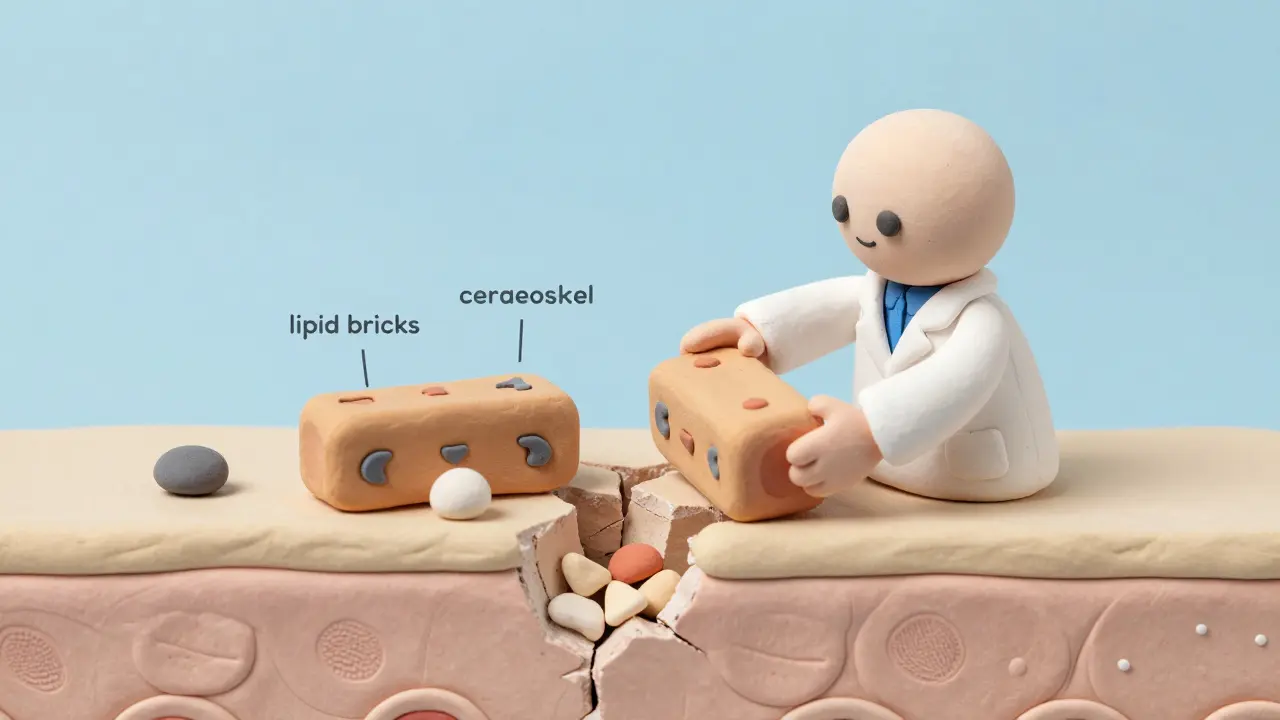
If you're just using a basic petrolatum jelly, you're putting a plastic wrap over a leak. It stops water from leaving, but it doesn't fix the hole. To actually repair the skin, you need physiologic lipid replacement therapy. This means using products that mimic the skin's own natural fats: ceramides, cholesterol, and free fatty acids.
Research shows that the magic ratio is 1:1:1. When these three lipids are balanced, they can restore barrier function with about 87% efficacy. In contrast, standard emollients only hit around 52%. Specifically, you want to look for high levels of Ceramide 1, which helps organize the skin's lipid layers into a tight, protective shield. Furthermore, the pH of your cream matters. Your skin thrives at a slightly acidic pH of around 5.0 to 5.5. If a product is too alkaline, the enzymes responsible for repairing your skin stop working efficiently.
| Approach | Primary Action | Barrier Restoration | Typical Result |
|---|---|---|---|
| Basic Petrolatum | Occlusive (seals surface) | Moderate | Prevents water loss; doesn't repair |
| Ceramide-Dominant | Lipid Replacement | High | Reduces TEWL by ~42% over 28 days |
| Steroid Ointments | Anti-inflammatory | Low/Negative | Fast relief; can thin the skin over time |
Managing Your Triggers
Once you start repairing the barrier, you have to stop the things that tear it down. Triggers aren't just "allergies"; they are anything that disrupts the acid mantle or strips away lipids. Common culprits include hot showers, fragrance-heavy soaps, and even certain fabrics like wool.
The "itch-scratch cycle" is the most dangerous trigger of all. When you scratch, you create micro-tears in the stratum corneum. This lets in Staphylococcus aureus, a bacteria that thrives on damaged skin and fuels further inflammation. By focusing on barrier repair, you actually reduce the colonization of this bacteria by up to 75%, making your skin less reactive to external triggers.
How to Properly Apply Repair Therapy
Applying cream isn't just about rubbing it on; it's about the timing and the volume. Many people fail with barrier repair because they don't use enough product or they wait too long after showering.
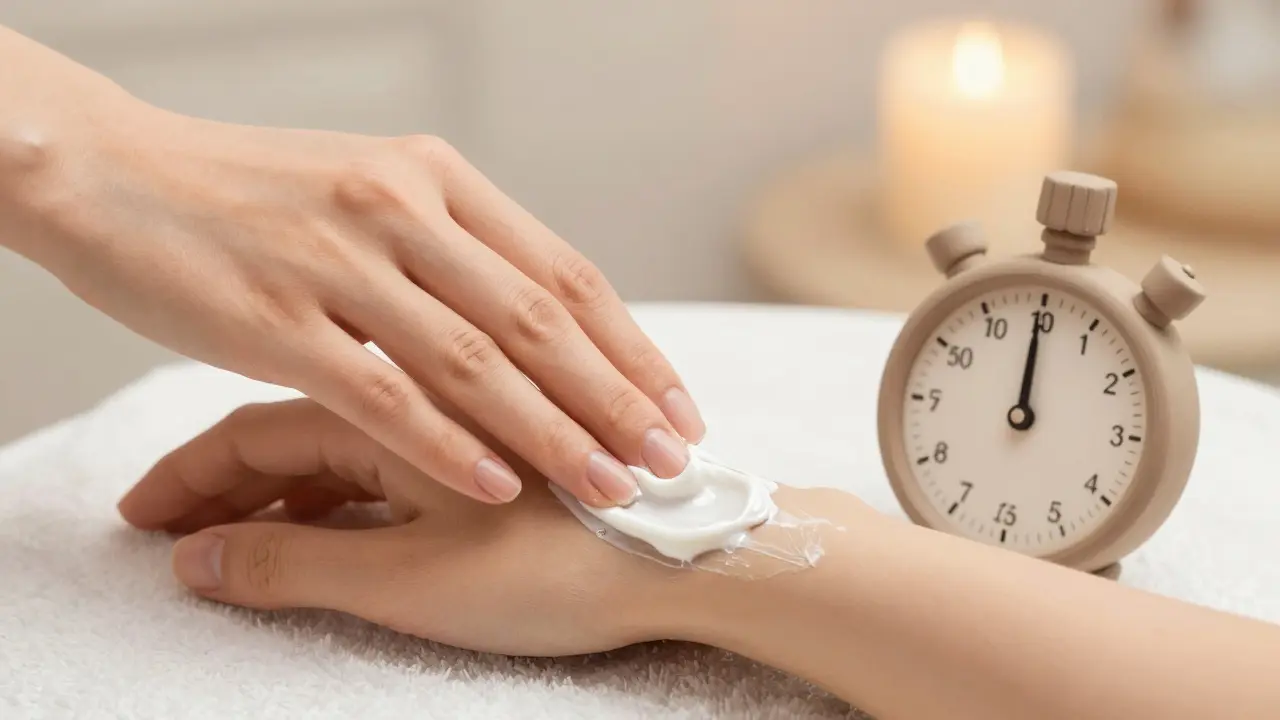
- The 3-Minute Rule: Pat your skin dry gently after a lukewarm shower. Apply your barrier cream within 3 minutes. This traps the water still on your skin's surface and pushes it into the barrier.
- The Finger-Tip Unit (FTU): Don't guess the amount. For an adult arm, you generally need about 5g of cream per application (roughly two fingertip units).
- The Interval Method: If you use a prescription steroid or a calcineurin inhibitor like Pimecrolimus, don't mix them with your moisturizer. Wait 15 minutes between applications to ensure each product is absorbed properly.
- Consistency: You won't see a total reset overnight. It typically takes 28 to 42 days of consistent, twice-daily use to significantly lower your TEWL and stabilize the skin.
When Barrier Repair Isn't Enough
While rebuilding the wall is essential, some people have "leaky walls" that are simply too damaged for creams alone. If you have a severe filaggrin null mutation, your water loss might be so high that creams can't keep up. In these cases, you might need adjunctive therapies.
Modern medicine has introduced JAK inhibitors, which target the internal signaling of the itch and inflammation. Some clinics are also exploring Platelet-Rich Plasma (PRP) to boost filaggrin expression. The key is to view barrier repair as the foundation-it makes every other medication work better by ensuring the drug stays in the skin rather than evaporating or leaking out.
Why does my barrier cream sting when I apply it?
This is common if you have active, open lesions. Many high-efficacy repair creams have an acidic pH to mimic the skin's natural mantle. When that acid hits an open wound or a raw patch of skin, it triggers pain receptors. To manage this, try applying the cream to non-inflamed areas first, or consult your doctor about using a bland occlusive like petrolatum on open sores until they close before switching back to acidic repair creams.
Can I just use Vaseline instead of expensive ceramide creams?
Vaseline is a great occlusive-it's excellent at stopping water from leaving the skin. However, it doesn't provide the lipids (ceramides, cholesterol) that the skin actually needs to heal the barrier. While it's better than nothing, clinical trials show that physiologic lipid formulations are 35-40% more effective at actually restoring the skin's function compared to simple emollients.
How long does it take for barrier repair to actually work?
You might feel a soothing effect immediately, but structural repair takes time. Most people see a noticeable reduction in TEWL and flare frequency after 2 to 6 weeks of strict, twice-daily application. The skin's natural turnover cycle is about a month, so you need to be consistent for at least 28-42 days to see the real results.
Are there any ingredients I should avoid in my moisturizer?
Avoid harsh fragrances, denatured alcohols, and strong surfactants (like sodium lauryl sulfate). These can strip the few lipids you have left and disrupt the acid mantle, effectively undoing the work your barrier repair cream is doing. Look for "fragrance-free" rather than "unscented," as unscented products may contain masking fragrances.
Does diet affect my skin barrier?
While topical repair is the primary tool, supporting your body's ability to produce lipids can help. Omega-3 fatty acids and a balanced intake of healthy fats are essential for the building blocks of the skin. However, dietary changes alone rarely fix a genetic filaggrin deficiency; they work best as a support system for your topical routine.
Next Steps for Your Skin Journey
If you're just starting, don't overhaul your entire routine in one day. Introduce one ceramide-dominant cream and track your skin for two weeks. If you experience severe stinging, pivot to a more neutral emollient for a few days until the skin calms down. For those with severe, non-responsive eczema, the next step is usually a genetic test for FLG mutations or a consultation regarding JAK inhibitors to bring the inflammation down to a level where barrier repair can actually take hold.